Cedrus deodara
Deodar Cedar
General Info
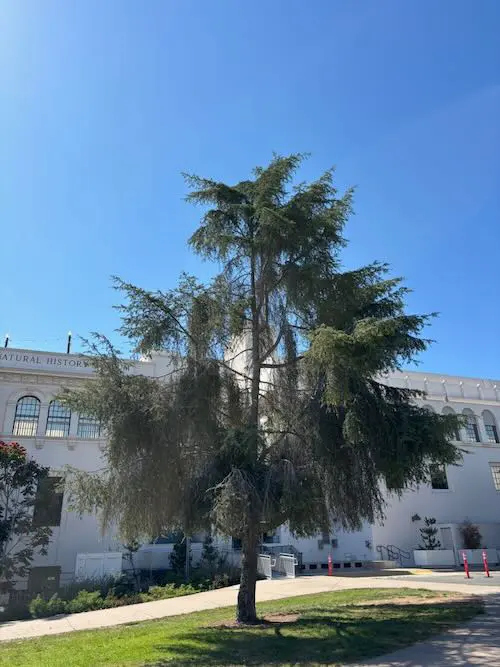
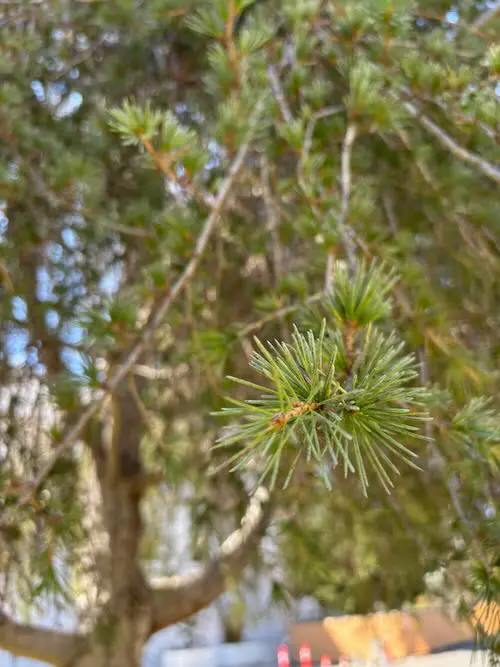
This majestic tree is known for its graceful, sweeping branches and soft, needle-like leaves. It often has a pyramidal shape when young, maturing into a more open and broad form. The foliage is a striking blue-green, providing a lush, evergreen presence year-round. Its bark is dark and furrowed, adding texture and character to its robust trunk. This tree is well-suited for large spaces, making it a popular choice for parks and expansive gardens. It also offers excellent shade and can serve as a windbreak in urban landscapes.
Native Range: Eastern Afghanistan, Northern Pakistan, and North-central India
Horticultural use: Bonsai or Espalier
Ethnobotanical Info / Tree
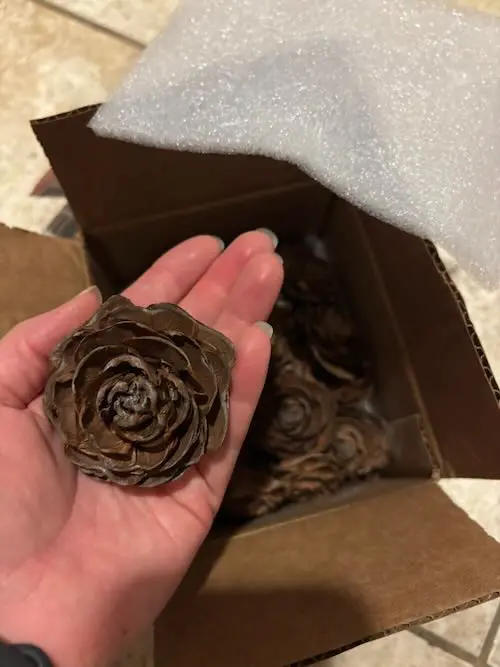
Schoolyard Use: This tree features soft, needle-like leaves that are clustered in dense whorls, making it a great subject for lessons on leaf arrangement and conifer adaptations. Its evergreen foliage provides year-round greenery, suitable for discussions on photosynthesis throughout the seasons. The tree’s cones are barrel-shaped and disintegrate to release seeds, offering a hands-on way to explore seed dispersal mechanisms. The tree’s graceful, arching branches can also serve as an example of structural adaptation in trees.
Tree Shape: Conical
Foliage Type: Evergreen
Maximum Tree Height: 60 feet
Canopy Width: 20-30feet
Growth Rate: ~36in/year
Leaf Arrangement and Form: Alternate and Simple
Leaf Shape: Needle
Leaf Color: Bluish Green, Silver or Gray Green
Fall Color: No
Cones: Fragrant
Reproduction: Has separate male and female reproductive parts on the same tree (monoecious)
Cone Size and Color: Very Large Brown Cone
Pollen time: Spring
Bark Color: Dark Gray
Bark Texture: Fissured
Litter Type: Dry Fruit
Recommended Planting Area: Greater than 7′
Water Use Rating: Medium
Sunset Climate Zone: 3 – 10 and 14 – 24
Soil Texture: Loam, Sand or Clay
Soil pH: Very Acidic to Very Alkaline
Salt Tolerance: Moderate
Schoolyard Trees: Yes
Shade Tolerance: No
Branch Strength: Medium
Root Damage Potential: Moderate
Potential health issues: Allergy
Biogenic Emissions: Low
Wildlife Interactions: Attracts Squirrels
Disease and Pest Susceptibility: Armillaria, Phytophthora, Root Rot, Sooty Mold and Beetle Borers
Disease and Pest Resistance: Verticillium
Utility Friendly: No