Tipuana tipu
Tipu Tree
General Info
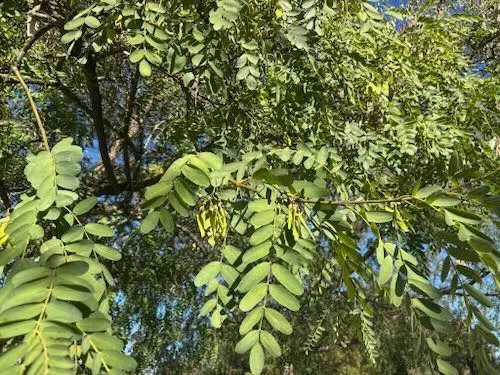
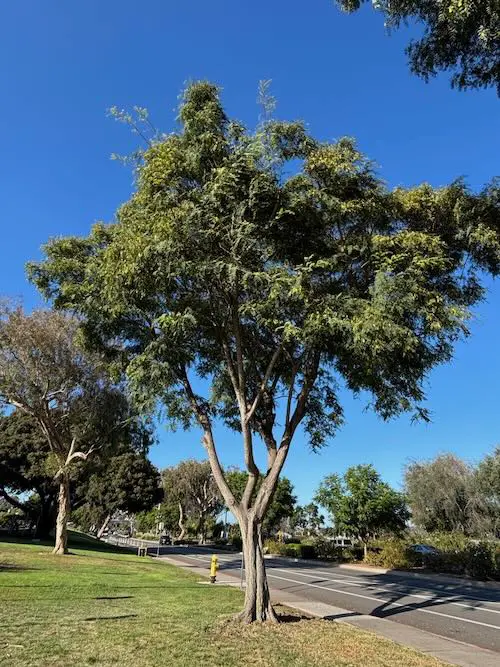
This tree is known for its broad, spreading canopy that provides ample shade. It has feathery, pinnate leaves that create a delicate, lacy appearance. In the summer, it bursts into clusters of bright yellow flowers that attract pollinators. The tree is hardy and can thrive in various soil conditions, making it a popular choice for urban landscapes. Its roots are strong and can uplift sidewalks, so it’s best planted in spacious areas. This tree also offers year-round greenery, adding a touch of nature to city streets.
Native Range: Bolivia and Southern Brazil
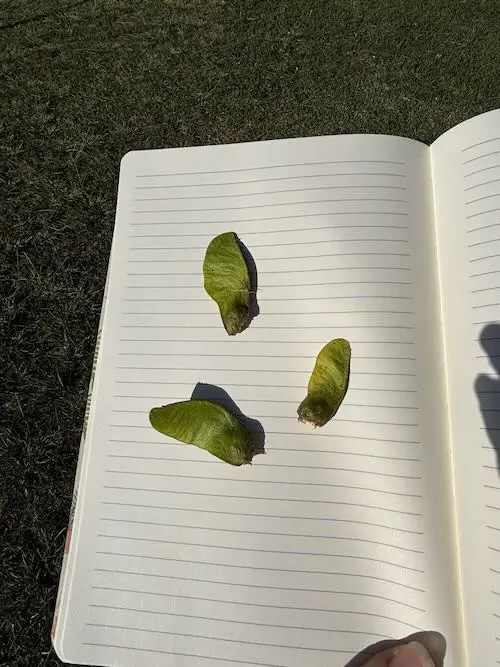
Schoolyard Use: This tree features bright green, feathery leaves that provide a lush canopy. It produces vibrant yellow flowers that attract pollinators, making it ideal for lessons on plant-pollinator relationships. The tree’s seed pods are large and winged, offering a practical example of seed dispersal mechanisms. Its rapid growth rate can be used to teach about plant growth cycles and urban greening. The tree also provides ample shade, creating a comfortable outdoor learning environment.
Tree Shape: Rounded
Foliage Type: Deciduous
Maximum Tree Height: 50 feet
Canopy Width: 25-50feet
Growth Rate: ~24-36in/year
Leaf Arrangement and Form: Alternate and Pinnately Compound
Leaf Shape: Oblong
Leaf Color: Light Green
Fall Color: No
Flowers: Showy
Flower Color: Orange or Yellow
Flower Time: Summer
Fruit Size and Color: Large Brown Legume
Fruiting Time: Fall or Summer
Bark Color: Dark Brown or Light Green
Bark Texture: Fissured
Litter Type: Dry Fruit and Flowers
Recommended Planting Area: 4′ to 7′
Water Use Rating: Low
Sunset Climate Zone: 13 – 16, 18 – 24, H1 and H2
Soil Texture: Loam, Sand or Clay
Soil pH: Very Acidic to Slightly Alkaline
Salt Tolerance: High
Schoolyard Trees: Yes
Shade Tolerance: No
Branch Strength: Medium to Medium Strong
Root Damage Potential: Low
Potential health issues: None Known
Biogenic Emissions: Moderate
Wildlife Interactions: Attracts
Disease and Pest Susceptibility: Psyllid
Utility Friendly: No