Ceanothus Species
Wild Lilac
General Info
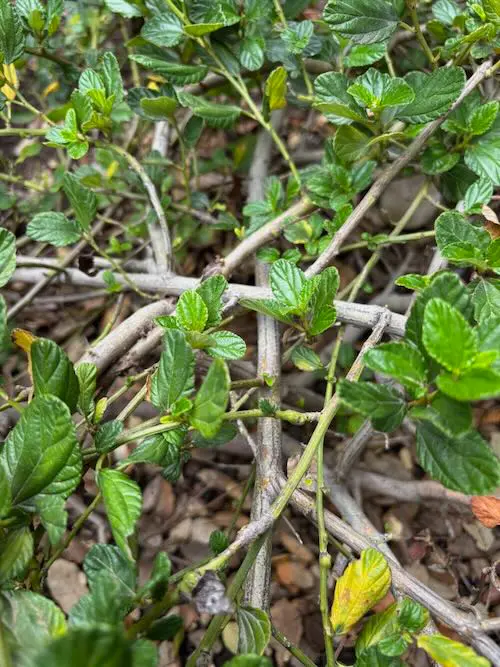
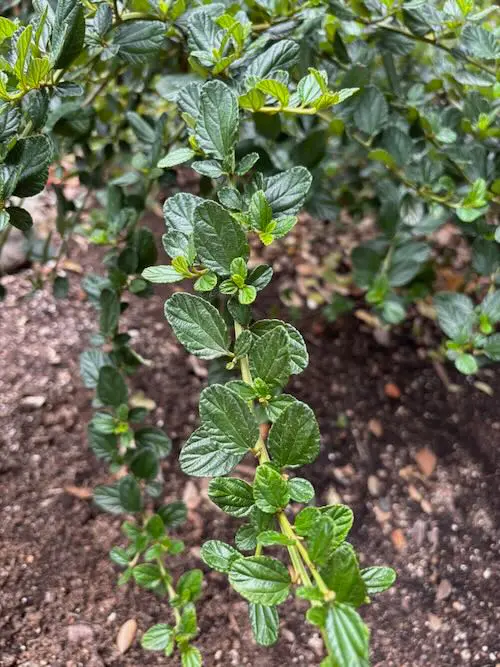
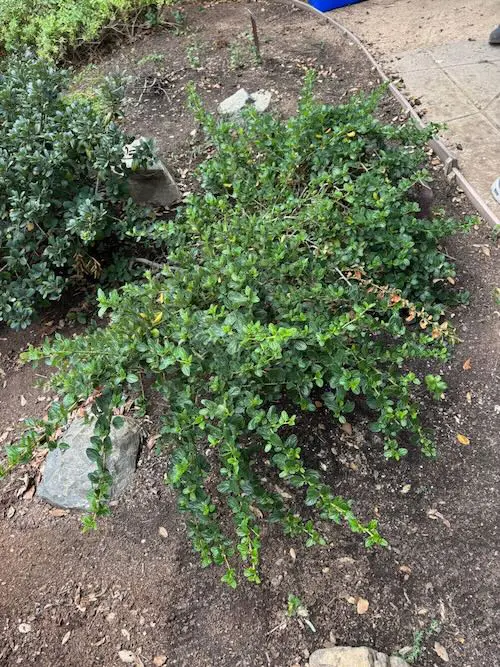
Ceanothus thyrsiflorus is distinguishable for its glossy, alternately-arranged foliage with three main veins. It occurs from coastal mountains to interior foothills, forming a shrub or small tree. In early spring, the canopy explodes with ornamental, lilac-blue flowers. In addition to its beauty and carefree nature, this plant is low-maintenance, hardy, and one of the more drought-tolerant species of its genus. It has a high wildlife value, providing essential fruit, flower nectar, and habitat for birds, small mammals, and insect pollinators.
Native Range: California, Oregon
Horticultural use: Screen
Tree Shape: Rounded or Shrub
Foliage Type: Evergreen
Maximum Tree Height: 15 feet
Canopy Width: 5-20feet
Growth Rate: ~24-36in/year
Leaf Arrangement and Form: Alternate and Simple
Leaf Shape: Oblong
Leaf Color: Green or Dark Green
Fall Color: No
Flowers: Showy, Fragrant
Flower Color: Blue, Lilac or Purple
Flower Type: Has male and female reproductive parts in each flower (perfect)
Flower Time: Spring or Winter
Fruit Size and Color: Small Black, Purple Capsule
Fruiting Time: Summer or Spring
Fruit Value: Wildlife use it
Bark Color: Dark Brown, Light Gray
Bark Texture: Scaly and Smooth
Recommended Planting Area: 2′ to 4′
Water Use Rating: Low
Sunset Climate Zone: 5 – 9 and 14 – 24
Soil Texture: Loam or Sand
Soil pH: Acidic to Alkaline
Salt Tolerance: High
Schoolyard Trees: No
Shade Tolerance: No
Branch Strength: Medium
Root Damage Potential: Low
Potential health issues: Allergy
Biogenic Emissions: Moderate
Wildlife Interactions: Tree is deer resistant and Attracts Bees, Birds and Butterflies
Disease and Pest Susceptibility: Crown Rot, Fusarium, Armillaria, Phytophthora, Root Rot, Aphids and Scale insects
Disease and Pest Resistance: Verticillium
Utility Friendly: Yes