Erythrina (c)affra
Coral Tree
General Info
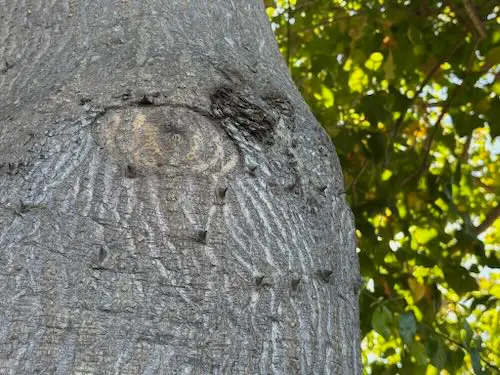
Erythrina lysistemon is a deciduous tree native to Africa, recognized for its prickly bark and spectacular displays of bright red flowers. Like many members of its genus, it contains a variety of toxic alkaloids distributed throughout its tissues, though concentrations can vary widely between individual plants. Improper ingestion of these compounds can be fatal, yet with careful preparation, they have been employed in traditional medicine. The species is not tolerant of cold and young trees must be protected from frost to ensure survival.
Native Range: Southern AfricaHorticultural use: Screen
Ethnobotanical Info / Tree Use: Ethnobotanically, E. lysistemon has long been used by Indigenous groups for its medicinal properties. The bark, often tied in a bundle with other herbs and then boiled, has been applied in treatments for numerous conditions, including aiding childbirth. Crushed leaves have been used to remove maggots from infested wounds, and the plant’s alkaloids are believed to possess antibacterial, anti-inflammatory, and anti-clotting effects.
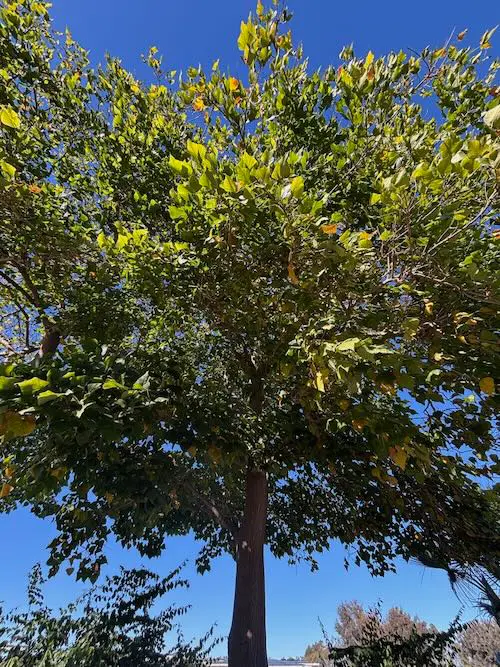
Tree Shape: Rounded or Vase
Foliage Type: Deciduous
Maximum Tree Height: 30 feet
Canopy Width: 10-15feet
Growth Rate: ~12-24in/year
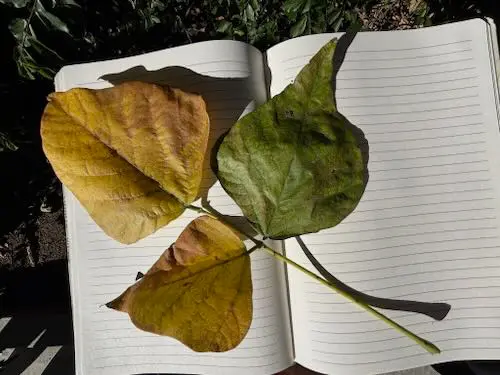
Leaf Arrangement and Form: Alternate and Trifoliate
Leaf Shape: Triangular
Leaf Color: Green
Fall Color: Yes
Flowers: Showy
Flower Color: Orange or Pink
Flower Type: Has male and female reproductive parts in each flower (perfect)
Flower Time: Fall, Winter or Spring
Fruit Size and Color: Very Large Brown Legume
Fruiting Time: Spring or Summer
Fruit Value: Wildlife use it
Bark Color: Dark Brown or Dark Gray
Bark Texture: Smooth
Litter Type: Dry Fruit
Recommended Planting Area: 4′ to 7′
Water Use Rating: Medium
Sunset Climate Zone: 13 and 21 – 24
Soil Texture: Loam, Sand or Clay
Soil pH: Neutral to Very Alkaline
Salt Tolerance: High
Schoolyard Trees: No
Shade Tolerance: No
Branch Strength: Medium Weak
Root Damage Potential: Low
Potential health issues: Poisonous
Wildlife Interactions: Attracts
Disease and Pest Susceptibility: Aphids
Disease and Pest Resistance: Armillaria and Root Rot
Utility Friendly: No