Leptospermum laevigatum
Australian Tea Tree
General Info
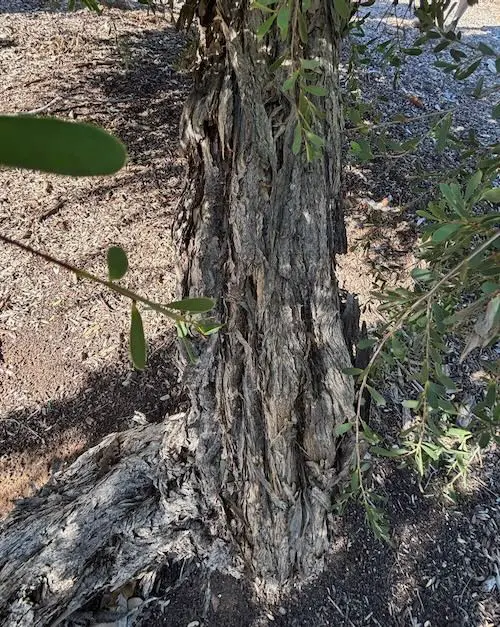
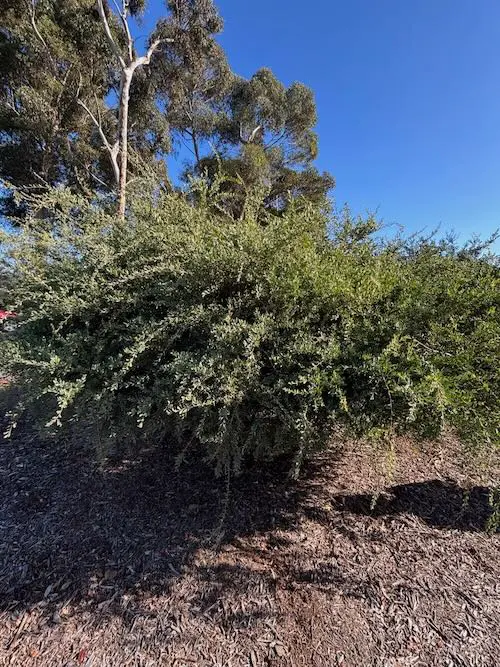
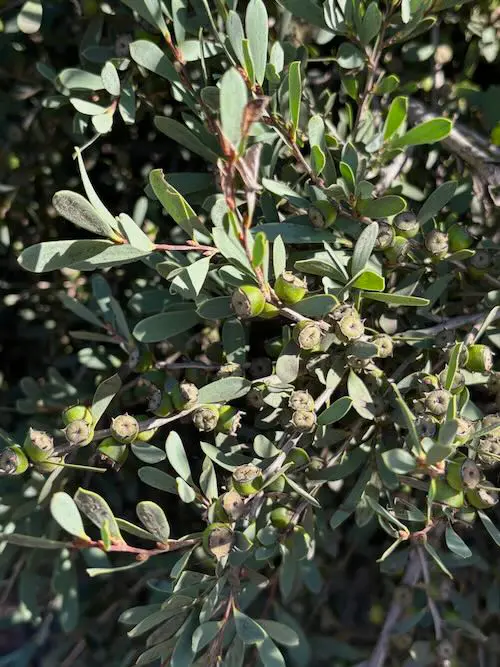
This tree features a twisted and gnarled trunk that adds character to any landscape. Its small, oval leaves are a soft gray-green, providing a gentle contrast to its rugged bark. In spring, it blooms with delicate white flowers that attract bees and other pollinators. The tree is highly adaptable to coastal environments, tolerating salty air and sandy soils. Its dense foliage makes it an excellent choice for windbreaks or privacy screens. Low maintenance and drought-tolerant, this tree is perfect for urban settings where resilience is key.
Native Range: Eastern Australia
Potential invasiveness: This plant is classified as potentially invasive in specific areas of California by the California Invasive Plant Council
Horticultural use: Screen or Hedged
Ethnobotanical Info / Tree Use: Native to coastal Australia, where early European settlers would drink an herbal infusion of the leaves as a substitute for black tea. Land-use changes, burning, and coastal grazing regimes in Australian coastal habitat have resulted in the invasion of L. laevigatum into nearby grasslands and woodlands. (Bennett, 1994)
Schoolyard Use: This tree has small, narrow leaves that can be used to teach about leaf structure and drought adaptation. Its dense foliage provides ample shade, making it a good subject for lessons on microclimates. The tree produces white flowers that attract pollinators, offering opportunities to study plant-pollinator relationships. Its hardy nature makes it suitable for discussions on resilience and ecological balance. The small, woody fruits can also be explored in lessons about seed dispersal.
Tree Shape: Rounded
Foliage Type: Deciduous
Maximum Tree Height: 30 feet
Canopy Width: 10-30feet
Growth Rate: ~24in/year
Leaf Arrangement and Form: Alternate/Whorled and Simple
Leaf Shape: Oval
Leaf Color: Bluish Green, Silver or Gray Green
Fall Color: No
Flowers: Showy
Flower Color: White
Flower Time: Spring
Fruit Size and Color: Small Brown Capsule
Fruiting Time: Fall
Bark Color: Light Green or Light Gray
Bark Texture: Exfoliating and Smooth
Litter Type: Dry Fruit
Recommended Planting Area: 4′ to 7′
Water Use Rating: Low
Sunset Climate Zone: 14 – 24, H1 and H2
Soil Texture: Loam or Sand
Soil pH: Slightly Acidic to Slightly Alkaline
Salt Tolerance: High
Schoolyard Trees: Yes
Shade Tolerance: No
Branch Strength: Strong
Root Damage Potential: Low
Potential health issues: None Known
Wildlife Interactions: Attracts Bees and Birds
Disease and Pest Susceptibility: Chlorosis, Armillaria and Root Rot
Utility Friendly: Yes