Ginkgo biloba
Maidenhair Tree
General Info
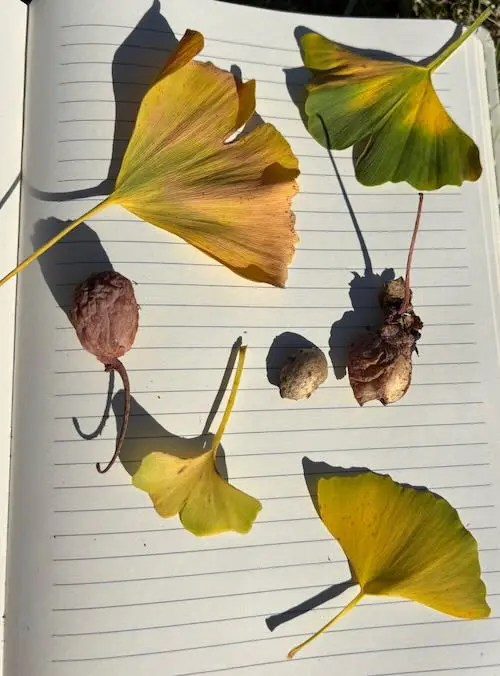
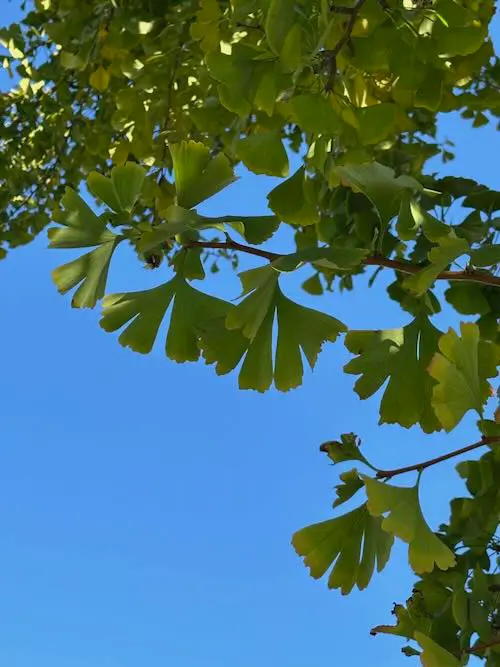
The ginkgo is unique among all plants as a lone survivor from the time of the dinosaurs. One of the world’s oldest remaining species, its closest relatives went extinct millions of years ago. It can be readily identified by its fan-shaped leaves, an extract of which has been used for centuries to improve brain function. The ginkgo is popular in temperate cities all over the world because of its resilience to the tribulations of urban life, and for its golden fall leaf color. Most cultivated trees are now grafted males because the overripe fleshy seeds of female trees have a foul stench, reminiscent of vomit and dog feces. Ginkgo may have become extinct in the wild sometime in the past few thousand years, only surviving in cultivation in China and later in Japan, where some trees are over one thousand years old. Some authorities believe that remnant wild stands still survive in the mountains of southeastern China.
Native Range: China
Horticultural use: Hedged or Pleached
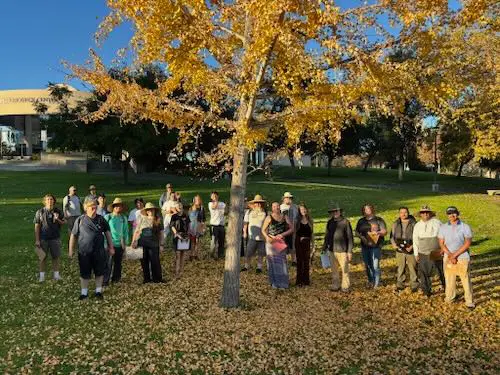
Schoolyard Use: This tree has fan-shaped leaves that turn a vibrant yellow in the fall, providing a striking visual for lessons on seasonal changes. The unique leaf shape can be used to discuss leaf morphology and plant evolution. Its leaves are resistant to pollution, making it a good example for studying urban plant resilience. The tree also produces seeds encased in fleshy, plum-like coverings, which can be used to explore plant reproduction and seed dispersal mechanisms.
Tree Shape: Conical
Foliage Type: Deciduous
Maximum Tree Height: 70 feet
Canopy Width: 25feet
Growth Rate: ~12-24in/year
Leaf Arrangement and Form: Alternate and Simple
Leaf Shape: Fan-shaped
Leaf Color: Green
Fall Color: Yes
Bark Color: Light Green
Bark Texture: Fissured
Litter Type: Leaves
Recommended Planting Area: 4′ to 7′
Water Use Rating: Medium
Sunset Climate Zone: 1 – 10, 12, 14 – 24 and A3
Soil Texture: Loam, Sand or Clay
Soil pH: Very Acidic to Slightly Alkaline
Salt Tolerance: Moderate
Schoolyard Trees: Yes
Shade Tolerance: No
Branch Strength: Strong
Root Damage Potential: Moderate
Potential health issues: Allergy and Irritant
Biogenic Emissions: Moderate
Wildlife Interactions: Attracts Squirrels
Disease and Pest Susceptibility: Anthracnose
Disease and Pest Resistance: Armillaria and Root Rot
Utility Friendly: No