Laurus nobilis
Sweet Bay
General Info
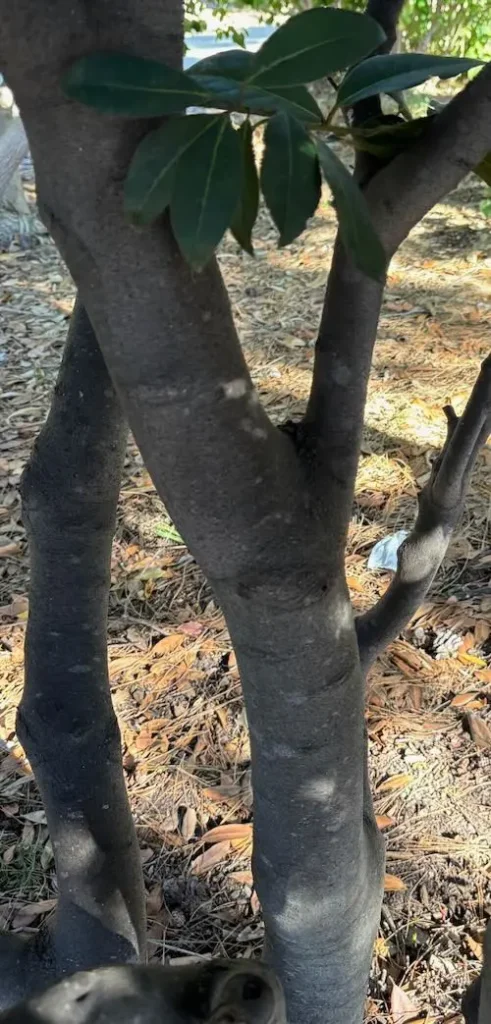
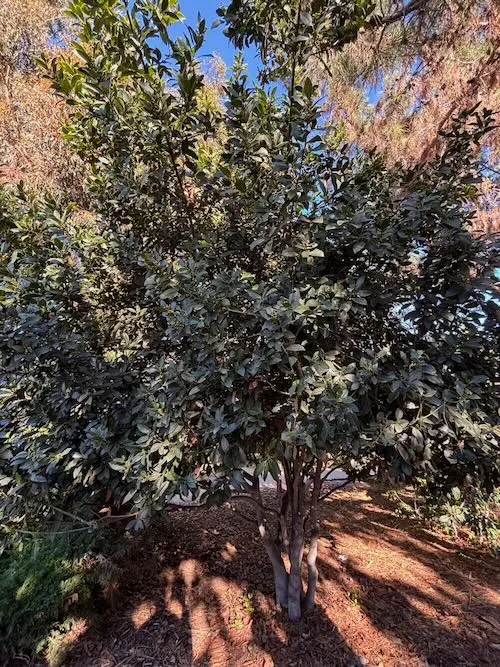
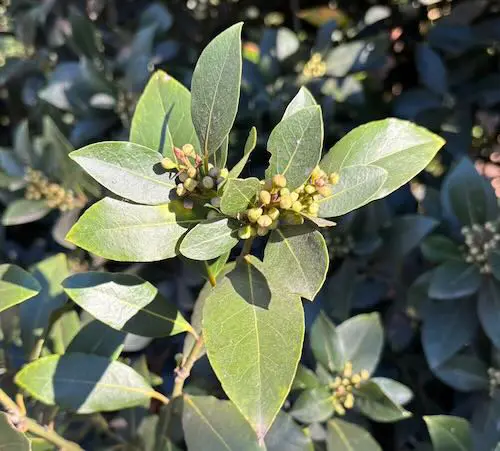
This tree is known for its aromatic, glossy green leaves that are often used in cooking. It has a dense, bushy growth habit, making it an excellent choice for hedges or privacy screens. The small, yellowish flowers it produces in spring are subtle but add a touch of charm. Over time, it can develop into a small to medium-sized tree with an attractive, smooth gray bark. Its evergreen nature ensures year-round greenery, and it thrives in well-drained soils and sunny locations. This tree is also quite drought-tolerant once established, making it a suitable option for urban landscapes.
Native Range: Mediterranean
Horticultural use: Screen, Hedged or Topiary
Schoolyard Use: This tree features glossy, aromatic leaves that can be used to teach about sensory experiences and plant-based culinary uses. The leaves remain evergreen, making it a good example for lessons on evergreen species and their adaptations. Small, yellowish flowers appear in clusters and can be used to discuss plant reproduction and pollination. Its compact size and dense foliage make it suitable for creating shaded outdoor classrooms or quiet study areas.
Tree Shape: Conical or Rounded
Foliage Type: Evergreen
Maximum Tree Height: 40 feet
Canopy Width: 15-30feet
Growth Rate: ~12-24in/year
Leaf Arrangement and Form: Alternate and Simple
Leaf Shape: Ovate
Leaf Color: Bluish Green, Silver or Gray Green
Fall Color: No
Flowers: Fragrant
Flower Color: Green, White or Yellow
Flower Type: Has either male or female reproductive parts (dioecious)
Flower Time: Spring
Fruit Size and Color: Small Black or Purple Berry
Fruiting Time: Fall
Bark Color: Dark Gray or Light Gray
Bark Texture: Fissured
Litter Type: Dry Fruit
Recommended Planting Area: 4′ to 7′
Water Use Rating: Medium
Sunset Climate Zone: 5 – 9, 12 – 24, H1 and H2
Soil Texture: Loam, Sand or Clay
Soil pH: Very Acidic to Very Alkaline
Salt Tolerance: Moderate
Schoolyard Trees: Yes
Shade Tolerance: No
Branch Strength: Medium
Root Damage Potential: Moderate
Potential health issues: None Known
Biogenic Emissions: Low
Wildlife Interactions: Attracts Birds
Disease and Pest Susceptibility: Phytophthora, Root Rot, Psyllid and Scales
Disease and Pest Resistance: Armillaria and Root Rot
Utility Friendly: No