Corymbia citriodora
Lemon Gum
General Info
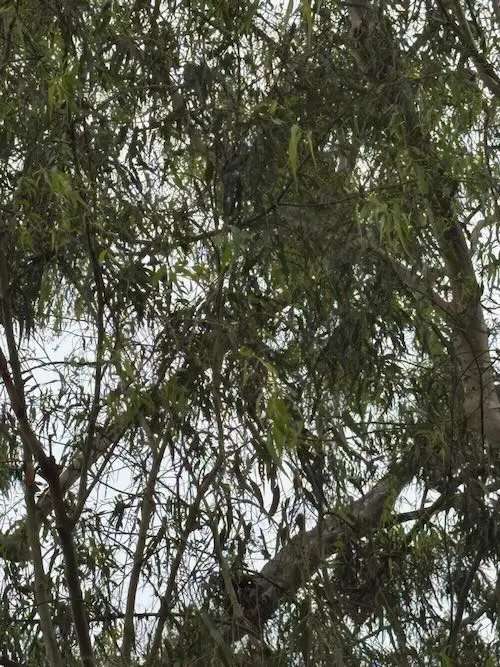
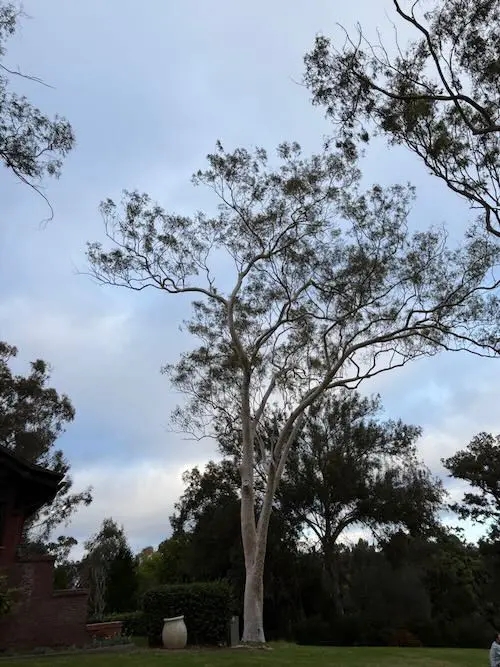
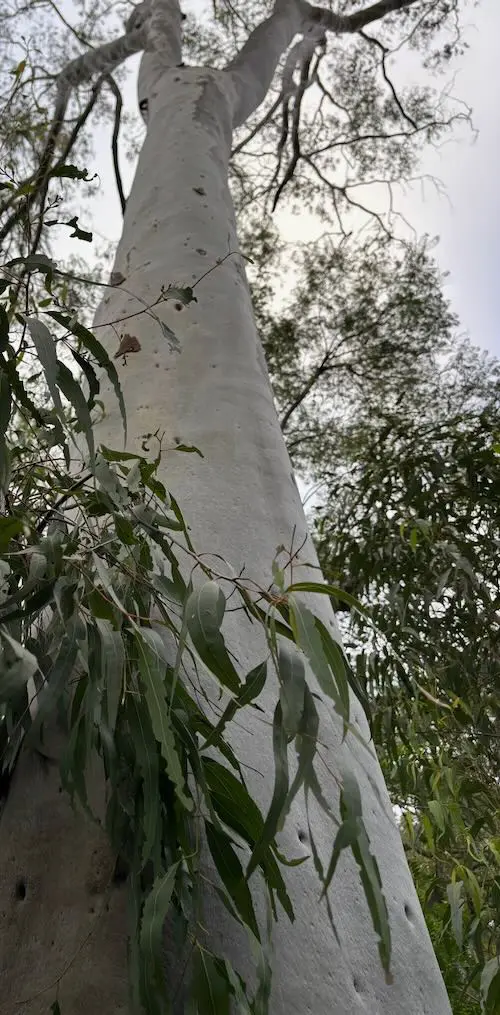
This tall tree is known for its striking, smooth, white bark that peels away in ribbons. Its long, narrow leaves release a refreshing lemon scent when crushed, adding a delightful fragrance to urban spaces. The tree’s canopy is sparse, allowing dappled sunlight to filter through, making it a pleasant choice for parks and streets. It grows quickly and can reach impressive heights, providing shade and a vertical accent in landscapes. This tree is also quite hardy, tolerating a range of conditions, including drought, once established.
The publication of a new genus within Eucalyptus (Blakella) by Crisp et. al. 2024, has led most world eucalypt experts to recognize all Corymbia and Angophora species in Eucalyptus. It now makes the most sense taxonomically, for field characteristics, and for disruption of names to move everything to one genus, and we have done so here at SelecTree. Corymbia citriodora becomes (or goes back) to Eucalyptus citriodora, C. ficifolia to E. ficifolia, Angophora costata becomes Eucalyptus apocynifolia (due to the species name having been previously published in Eucalyptus).
Native Range: Eastern Australia
Ethnobotanical Info / Tree Use: Endemic to Australia, this eucalyptus tree is now cultivated in various parts of the world for production of citronellal in the leaves as well as harvested for its valuable hardwood. The lemon-scented essential oil is used in aromatherapy, perfumes, cosmetics, natural insect repellents, and herbal medicine. In Hawaiʻi, the Division of Forestry planted thousands of lemon-gum eucalyptus to prevent erosion and delineate property boundaries. (Goodine & Oelgemöller, 2020; Little, 1989)
Schoolyard Use: This tree has long, slender leaves that give off a distinct lemon scent when crushed, making it a great addition to lessons on plant chemistry and sensory experiences. Its smooth, pale bark peels away in strips, revealing a patchwork of colors that can be used to discuss tree growth and bark function. The tree’s rapid growth rate can be highlighted in discussions about plant adaptation and environmental impact. Its small, white flowers attract pollinators, providing a practical example of plant-pollinator relationships.
Tree Shape: Rounded
Foliage Type: Deciduous
Maximum Tree Height: 70 feet
Canopy Width: 50feet
Growth Rate: ~36in/year
Leaf Arrangement and Form: Alternate and Simple
Leaf Shape: Spear-shaped
Leaf Color: Light Green
Fall Color: No
Flowers: Fragrant
Flower Color: White
Flower Time: Winter
Fruit Size and Color: Small Brown Capsule
Fruiting Time: Spring
Bark Color: Striking, Cream, Pink, Light Gray or Multicolored
Bark Texture: Exfoliating and Smooth
Litter Type: Bark, Dry Fruit and Twigs
Recommended Planting Area: Greater than 7′
Water Use Rating: Low
Sunset Climate Zone: 5 – 6, 8 – 24, H1 and H2
Soil Texture: Loam or Sand
Soil pH: Slightly Acidic to Very Alkaline
Schoolyard Trees: Yes
Shade Tolerance: No
Branch Strength: Medium
Root Damage Potential: Moderate
Potential health issues: None Known
Biogenic Emissions: High
Wildlife Interactions: Attracts Bees and Birds
Disease and Pest Susceptibility: Armillaria, Phytophthora, Root Rot, Eucalyptus Rust (Puccinia psidii), Beetle Borers, Psyllid and Thrip
Disease and Pest Resistance: Texas Root Rot, Verticillium and Eucalyptus Snout Beetle (Gonipterus platensis)
Utility Friendly: No