Pinus pinea
Italian Stone Pine
General Info
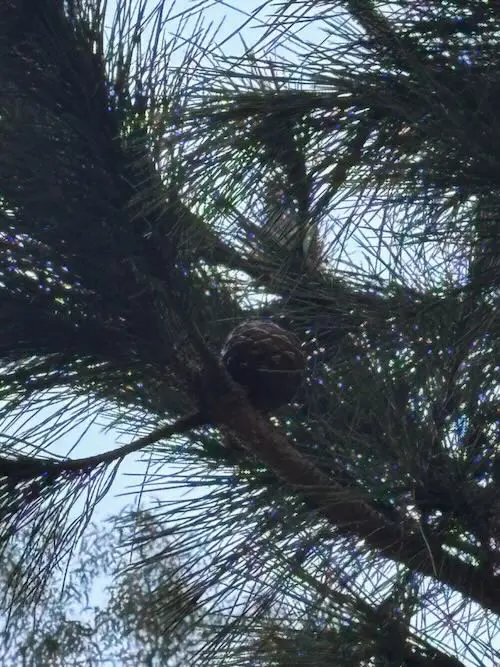
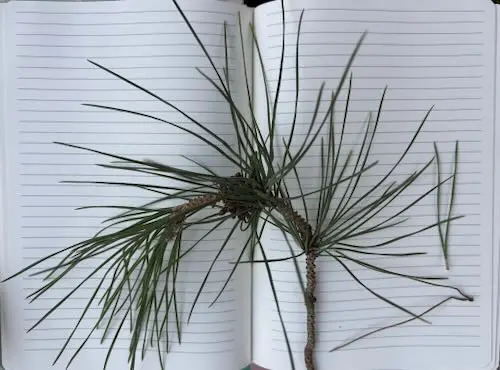
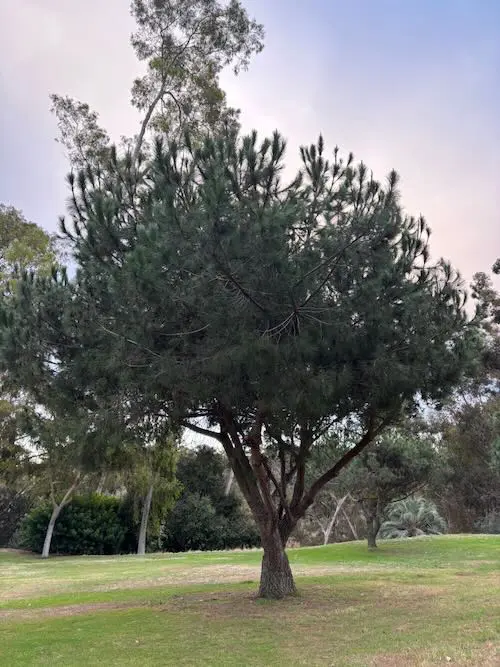
Pinus pinea is known for its distinctive umbrella-like canopy, which provides ample shade in urban settings. Its thick, rough bark and sturdy trunk give it a robust appearance, while its long, slender needles add a touch of elegance. The tree produces large, woody cones that are both decorative and functional, often used in crafts and for their seeds. It thrives in well-drained soil and is tolerant of drought, making it a low-maintenance option for landscaping. Its evergreen nature ensures year-round greenery, adding a touch of nature to any urban environment.
Native Range: Mediterranean
Schoolyard Use: Italian Stone Pine has a distinctive umbrella-like canopy that offers ample shade, making it a great subject for lessons on tree structure and function. Its long, slender needles can be used to explore topics like photosynthesis and adaptation to dry climates. The large, woody cones produce seeds that are edible and can be included in discussions about plant reproduction and human use of tree products. The tree’s resilience to drought conditions can be highlighted in lessons on environmental adaptation and conservation.
Tree Shape: Conical or Rounded
Foliage Type: Evergreen
Maximum Tree Height: 80 feet
Canopy Width: 40-60feet
Growth Rate: ~24-36in/year
Leaf Arrangement and Form: Alternate and Simple
Leaf Shape: Needle
Leaf Color: Bluish Green, Silver or Gray Green
Fall Color: No
Cone Size and Color: Very Large Brown or Red Cone
Pollen time: Winter
Fruit Value: Edible and Wildlife use it
Bark Color: Black, Dark Brown or Dark Gray
Bark Texture: Fissured
Litter Type: Dry Fruit
Recommended Planting Area: 4′ to 7′
Water Use Rating: Medium
Sunset Climate Zone: 8 – 9, 11 – 24 and H1
Soil Texture: Loam or Sand
Soil pH: Very Acidic to Very Alkaline
Salt Tolerance: High
Schoolyard Trees: Yes
Shade Tolerance: No
Branch Strength: Weak to Medium Weak
Root Damage Potential: Moderate
Potential health issues: Allergy
Wildlife Interactions: Attracts Birds and Squirrels
Disease and Pest Susceptibility: Armillaria, Phytophthora, Root Rot, Pitch Canker and Aphids
Disease and Pest Resistance: Verticillium
Utility Friendly: No