Quercus ilex
Holly Oak
General Info
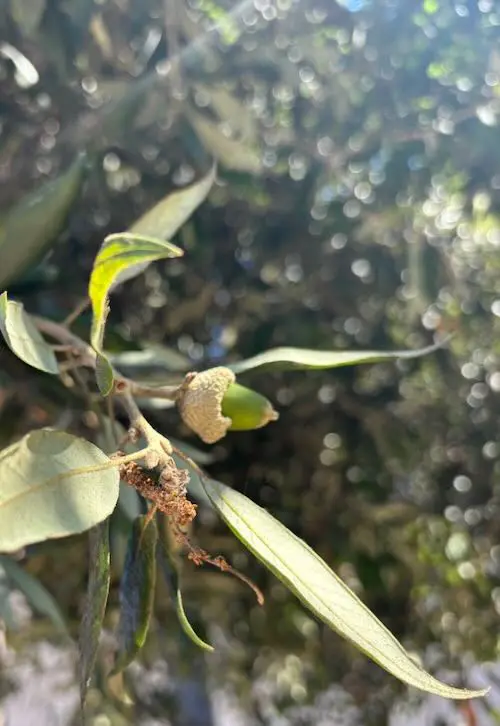
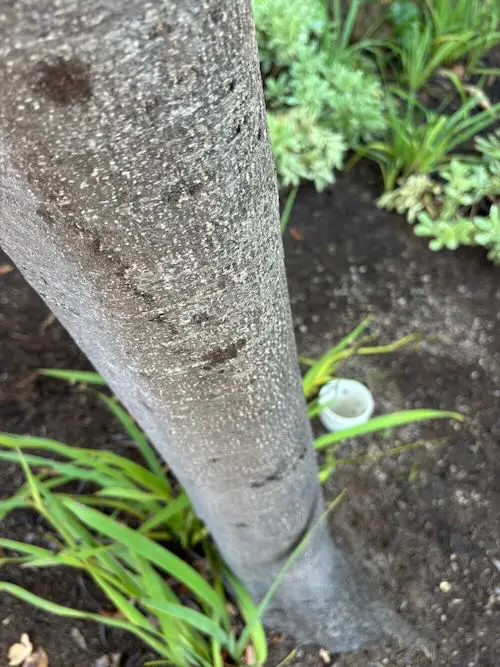
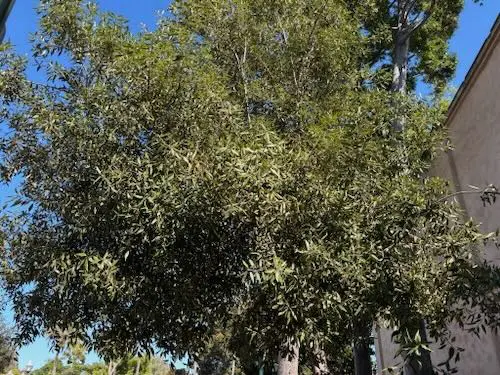
Quercus ilex is native to the Mediterranean but has been naturalized in the UK and New Zealand and is widely planted in California. This tree has a dense, rounded canopy that provides amble shade. Its leaves are dark green and leathery, with a glossy surface that reflects sunlight beautifully. The bark is dark and deeply furrowed, giving the tree a rugged, ancient appearance. It produces small, inconspicuous flowers that eventually give way to acorns. This tree is well-suited for urban environments, as it is highly tolerant of drought and poor soil conditions. Its robust nature makes it a reliable choice for parks and streetscapes.
Native Range: Western Mediterranean RegionPotential invasiveness: Not listed as an invasive species in the UK, but does naturally regenerate.Horticultural use: Hedge, Windbreak or Hedged
Ethnobotanical Info / Tree Use: The wood has been used in general construction for thousands of years. It is also used for charcoal and firewood. Quercus ilex is used in truffle orchards as truffles form symbiotic relationships with the tree’ roots. In ancient Greece, the leaves of the tree were used to tell the future. The acorn was a symbol of fertility and used as a charm to incease chances of conception
Schoolyard Use: This tree has small, leathery leaves that are evergreen, making it a good subject for discussions about different leaf types and adaptations to dry climates. The dense canopy provides ample shade and can be used to study the effects of shade on undergrowth. Its acorns are a valuable food source for local wildlife and can be used in lessons about ecosystems and food chains. The tree’s bark is thick and rugged, offering a tactile experience for students learning about tree anatomy.
Tree Shape: Rounded
Foliage Type: Evergreen
Maximum Tree Height: 69 feet
Canopy Width: 40-70feet
Growth Rate: ~null24in/year
Leaf Arrangement and Form: Alternate and Simple
Leaf Shape: Spear-shaped
Leaf Color: Dark Green
Fall Color: No
Flowers: Inconspicuous
Flower Color: Yellow
Flower Time: Winter or Spring
Fruit Size and Color: Medium Dark Brown to Purple Acorn
Fruiting Time: Summer or Winter
Fruit Value: Edible and Wildlife use it
Bark Color: Light Green or Light Gray
Bark Texture: Furrowed and Smooth
Litter Type: Dry Fruit
Recommended Planting Area: Greater than 7′
Water Use Rating: Medium
Sunset Climate Zone: 4 – 24
Soil Texture: Loam, Sand or Clay
Soil pH: Very Acidic to Very Alkaline
Salt Tolerance: High
Schoolyard Trees: Yes
Shade Tolerance: No
Branch Strength: Strong
Root Damage Potential: Low
Potential health issues: Allergy and Poisonous
Biogenic Emissions: High
Wildlife Interactions: Attracts Mammals, Birds and Squirrels
Disease and Pest Susceptibility: Anthracnose, Drippy Oak, Root Rot, Phytophthora ramorum (Sudden Oak Death), Aphids, Mites, Scales and Spider Mites
Disease and Pest Resistance: Armillaria and Verticillium
Utility Friendly: No