Bauhinia galpinii
Red Bauhinia
General Info
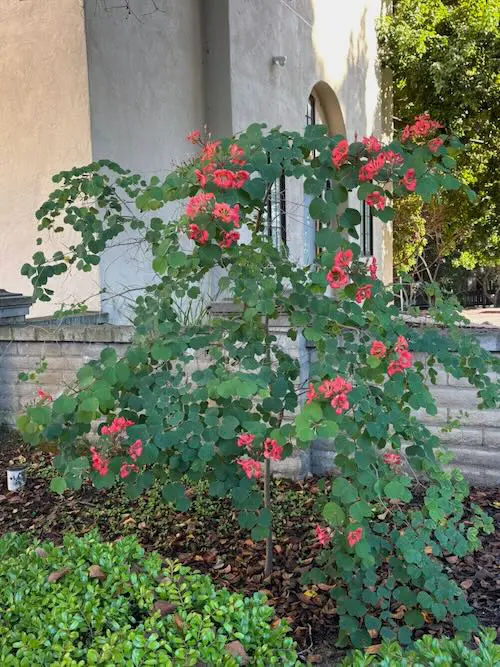
This large shrub, one of the most colorful Bauhinias, has a spreading to partly climbing habit. A fast-growing species, especially in warmer climates, it can withstand mild frosts and long dry spells. When trained, it will grow against a wall. The long flexible branches have been used for weaving baskets and for roofing. Bauhinia galpinii has no HPWRA (Hawai‘i Pacific Weed Risk Assessment) score.
Native Range: Eastern and Southern Africa
Horticultural use: Container, Screen or Espalier
Ethnobotanical Info / Tree Use: A small tree native to southern Africa, where it its traditionally used as animal forage, epilepsy treatment, and antidiarrhea. It has been introduced to the Americas, where it is widely planted as an ornamental. (Ahmed et al., 2019; Erhabor & McGaw, 2020)
Tree Shape: Rounded
Foliage Type: Partly Deciduous
Maximum Tree Height: 15 feet
Canopy Width: 5-15feet
Growth Rate: ~36in/year
Leaf Arrangement and Form: Alternate and Simple
Leaf Shape: Oval
Leaf Color: Light Green
Fall Color: No
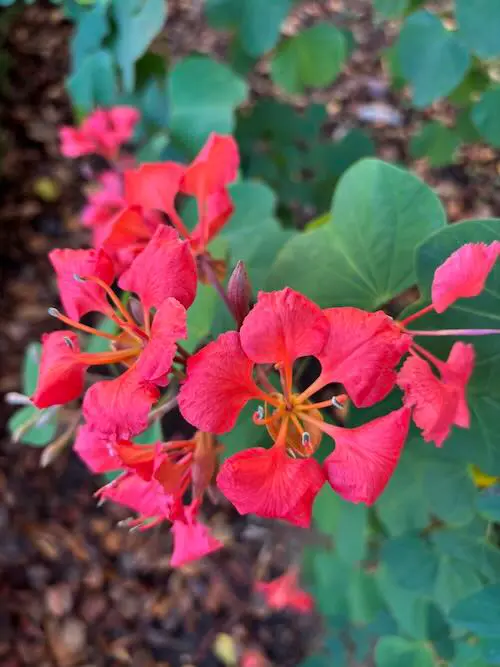
Flowers: Showy
Flower Color: Red or Orange
Flower Time: Fall or Spring
Fruit Size and Color: Very Large Brown Legume
Fruiting Time: Summer
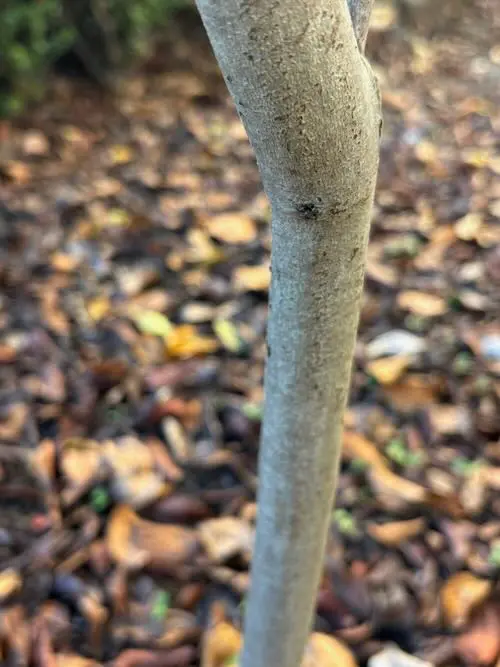
Bark Color: Dark Gray or Light Gray
Bark Texture: Scaly and Smooth
Litter Type: Dry Fruit
Recommended Planting Area: 2′ to 4′
Water Use Rating: Medium
Sunset Climate Zone: 13, 15 – 16, 18 – 24, H1 and H2
Soil Texture: Loam or Sand
Soil pH: Very Acidic to Slightly Alkaline
Salt Tolerance: Low
Schoolyard Trees: No
Shade Tolerance: No
Branch Strength: Medium
Root Damage Potential: Low
Potential health issues: None Known
Biogenic Emissions: Moderate
Wildlife Interactions: Attracts Birds
Disease and Pest Susceptibility: Aphids
Utility Friendly: No