Butia capitata
Jelly Palm
General Info
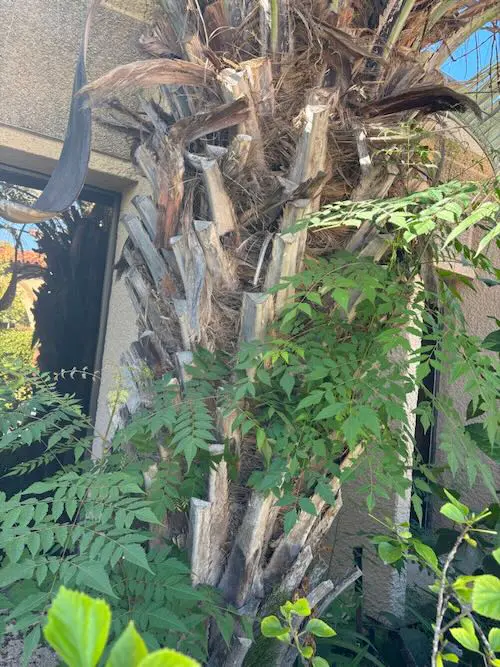
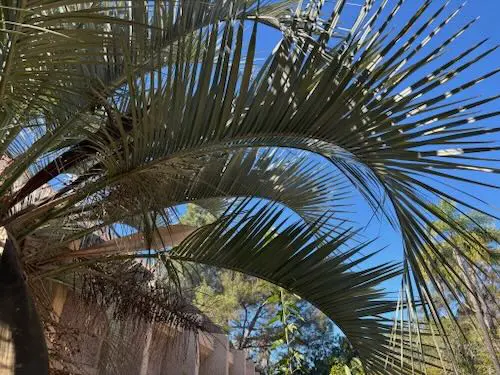
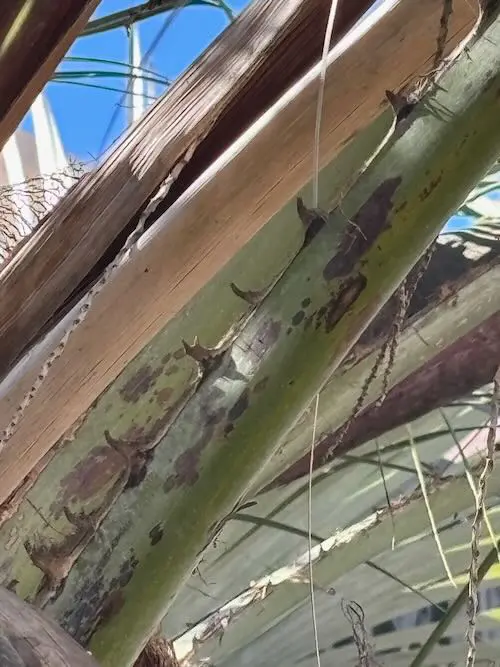
Butia odorata is known for its arching silver-green fronds and sweet-tasting fruits. This small feather palm forms a thick and sturdy trunk and produces white, self-pollinating flowers. In partial shade, its leaves grow much longer and less silver than those grown in full sun. Additionally, its height, trunk thickness, and fruit size, color, and taste tend to vary across individuals. While drought and salt tolerant, this species is also unusually cold hardy for a feather palm. This trait along with its neat, compact habit makes this an attractive choice for landscaping in warm and temperate regions.
Native Range: Brazil, Uruguay, and Argentina
Horticultural use: Specimen, Buffer Strip or Street Tree
Ethnobotanical Info / Tree Use: The Pindo Palm has been cultivated by humans for at least 2,000 years. Its fruit ranges from sweet to sour, often compared to apricots, pineapples, and mangos. It is made into jelly and wine.
Tree Shape: Palm
Foliage Type: Deciduous
Maximum Tree Height: 25 feet
Canopy Width: 10-15feet
Growth Rate: ~12-24in/year
Leaf Arrangement and Form: Alternate and Pinnately Compound
Leaf Shape: Linear
Leaf Color: Bluish Green, Silver or Gray Green
Fall Color: No
Flowers: Inconspicuous, Fragrant
Flower Color: White
Flower Time: Spring
Fruit Size and Color: Medium Yellow, Orange, Green Drupe
Fruiting Time: Summer
Fruit Value: Edible
Bark Color: Brown
Bark Texture: Rough
Litter Type: Leaves and Fruit
Recommended Planting Area: 4′ to 7′
Water Use Rating: Low
Sunset Climate Zone: 8 – 9 and 12 – 24
Soil Texture: Loam, Sand or Clay
Soil pH: Acidic to Alkaline
Salt Tolerance: Moderate
Schoolyard Trees: No
Shade Tolerance: No
Root Damage Potential: Low
Wildlife Interactions: Attracts Mammals
Disease and Pest Susceptibility: Root Rot and Scales
Utility Friendly: No