Cercis canadensis
Eastern Redbud
General Info
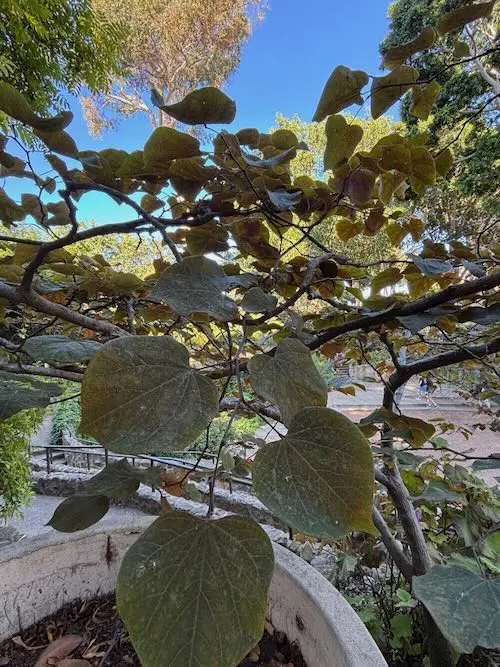
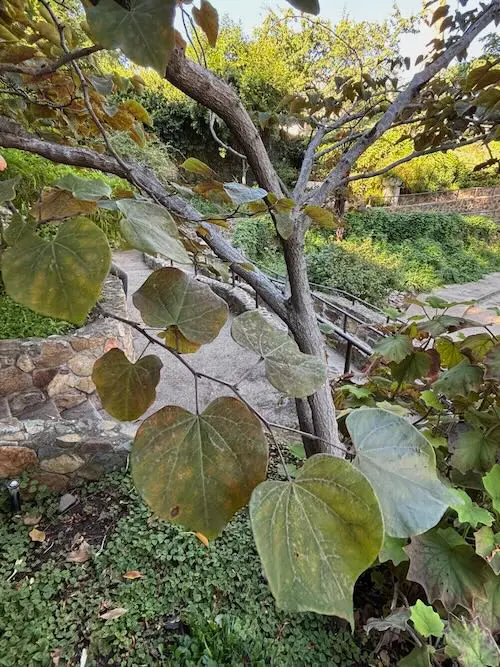
This tree is known for its striking display of pink or magenta flowers that bloom directly on its branches and trunk in early spring. Its heart-shaped leaves emerge after the flowers, providing a lush green canopy throughout the summer. In the fall, the leaves turn a vibrant yellow before dropping. This tree is relatively small, making it a great choice for urban gardens and streetscapes. It thrives in a variety of soil types and can tolerate some drought once established. With its eye-catching flowers and attractive foliage, this tree adds a splash of color and charm to any landscape.
Native Range: Eastern United States
Horticultural use: Screen
Schoolyard Use: This tree has heart-shaped leaves that can be used to teach about leaf shapes and venation patterns. In spring, it produces clusters of small, bright flowers directly on its branches, which can help illustrate plant reproductive strategies. The flowers attract pollinators, making it a good example for lessons on ecosystems and pollination. As the seasons change, the leaves turn vibrant colors, providing a visual aid for discussions on seasonal cycles and plant physiology.
Tree Shape: Rounded
Foliage Type: Deciduous
Maximum Tree Height: 40 feet
Canopy Width: 25-35feet
Growth Rate: ~36in/year
Leaf Arrangement and Form: Alternate and Simple
Leaf Shape: Oval
Leaf Color: Green
Fall Color: Yes
Flowers: Showy
Flower Color: Pink or Rose
Flower Time: Spring
Fruit Size and Color: Large Brown, Purple or Mostly Green Legume
Fruiting Time: Summer
Bark Color: Dark Brown or Red Brown
Bark Texture: Scaly
Litter Type: Dry Fruit
Recommended Planting Area: 4′ to 7′
Water Use Rating: Medium
Sunset Climate Zone: 1 – 24
Soil Texture: Loam, Sand or Clay
Soil pH: Very Acidic to Very Alkaline
Salt Tolerance: Moderate
Schoolyard Trees: Yes
Shade Tolerance: No
Branch Strength: Medium
Root Damage Potential: Low
Potential health issues: Allergy
Biogenic Emissions: Low
Wildlife Interactions: Attracts Birds
Disease and Pest Susceptibility: Anthracnose, Crown Rot, Armillaria, Phytophthora, Root Rot, Caterpillars and Scales
Disease and Pest Resistance: Gypsy Moth
Utility Friendly: No