Cercis occidentalis
Western Redbud
General Info
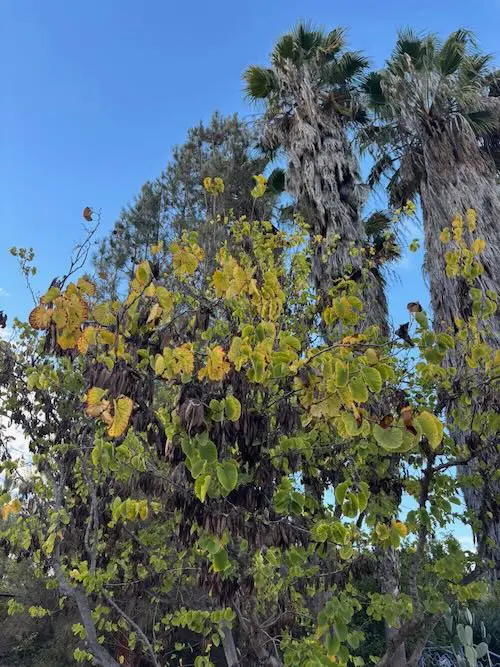
Western Redbud is a commonly used native shrub, commonly found in riparian canyons. It is usually sold as a multi-trunk shrub, rather than a single trunk tree standard, but can be trained into either a single or multi-trunk tree, where it is effective as a flowering accent. It tolerates dry conditions, but exhibits more vigorous, lush growth with regular deep watering. It blooms best in full sun. Otherwise, it is quite reliable once established, except for occasional tent caterpillar attacks, which can be controlled with spraying. It is resistant to oak root fungus.
Native Range: California, Arizona, and Utah
Horticultural use: Screen
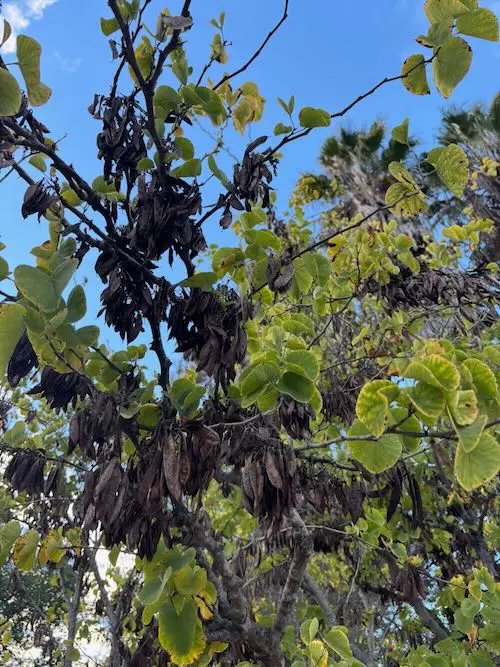
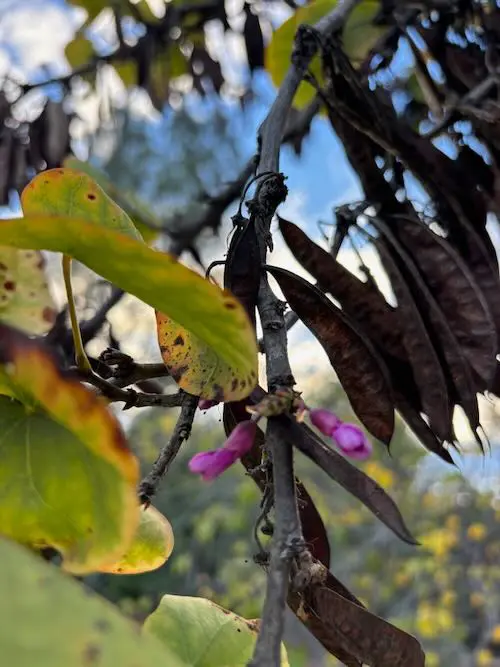
Schoolyard Use: This small tree features heart-shaped leaves that can be used to teach about leaf shapes and plant anatomy. Its vibrant, pea-like flowers bloom in clusters, providing a visual treat and an opportunity to discuss pollination and flower structure. The tree’s seed pods are flat and dry, making them useful for lessons on seed dispersal. The tree’s seasonal changes, from blossoms to leaf color shifts, can help illustrate the cycles of nature.
Tree Shape: Rounded
Foliage Type: Deciduous
Maximum Tree Height: 25 feet
Canopy Width: 10-20feet
Growth Rate: ~24-36in/year
Leaf Arrangement and Form: Alternate and Simple
Leaf Shape: Oval
Leaf Color: Bluish Green, Silver or Gray Green
Fall Color: Yes
Flowers: Showy
Flower Color: Purple
Flower Time: Spring
Fruit Size and Color: Large Brown or Purple Legume
Fruiting Time: Fall or Summer
Bark Color: Dark Brown or Red Brown
Bark Texture: Scaly
Litter Type: Dry Fruit
Recommended Planting Area: 2′ to 4′
Water Use Rating: Medium
Sunset Climate Zone: 2 – 24
Soil Texture: Loam, Sand or Clay
Soil pH: Very Acidic to Very Alkaline
Salt Tolerance: Moderate
Schoolyard Trees: Yes
Shade Tolerance: No
Branch Strength: Medium
Root Damage Potential: Low
Potential health issues: None Known
Biogenic Emissions: Low
Wildlife Interactions: Attracts Birds
Disease and Pest Susceptibility: Crown Rot, Phytophthora, Root Rot, Armillaria*, Caterpillars and Scales
Disease and Pest Resistance: Armillaria
Utility Friendly: Yes