Cinnamomum camphora
Camphor Tree
General Info
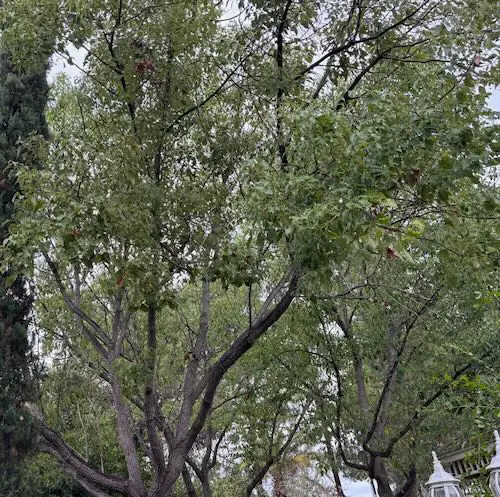
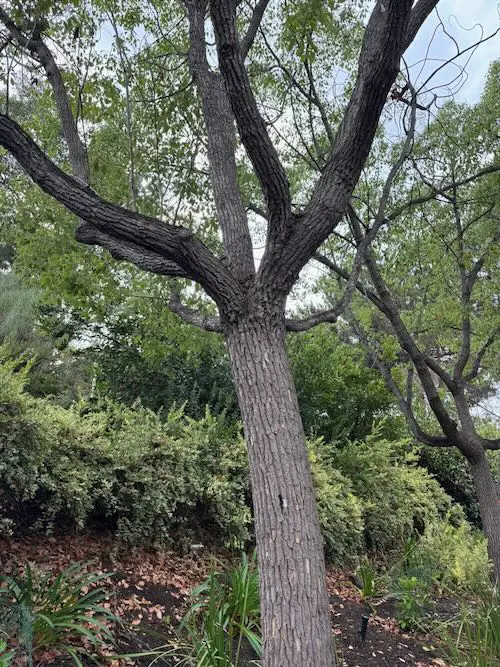
This tree is known for its broad, spreading canopy that provides ample shade. Its glossy, evergreen leaves emit a distinctive, pleasant aroma when crushed. In spring, it produces small, yellowish flowers that add a subtle charm to its appearance. The dark, rough bark adds a rugged texture to the landscape. Over time, it can grow to be quite large, making it a prominent feature in parks and streetscapes. Its resilience and low maintenance needs make it a popular choice for urban planting.
Native Range: China and Japan
Horticultural use: Hedged
Ethnobotanical Info / Tree Use: The fragrant camphor tree has been used for centuries in traditional medicine to treat inflammation, infection, indigestion, and general pain. The essential oil of camphor is used in herbal medicine throughout the world and commercially produced. Thousands of camphor trees were planted on Oahu in the early 1900’s to prevent erosion. (Hamidpour et al., 2013; Little, 1989) Citations PageSchoolyard Use: This evergreen tree has glossy, aromatic leaves that can be used to explore the sense of smell and properties of essential oils. The leaves are lance-shaped and remain on the tree year-round, making it a good example for lessons on evergreen vs. deciduous plants. Small, fragrant flowers bloom in clusters, followed by small, dark berries that attract birds. The tree’s broad canopy provides ample shade, creating a comfortable outdoor learning space.
Tree Shape: Rounded
Foliage Type: Evergreen
Maximum Tree Height: 70 feet
Canopy Width: 50-60feet
Growth Rate: ~24in/year
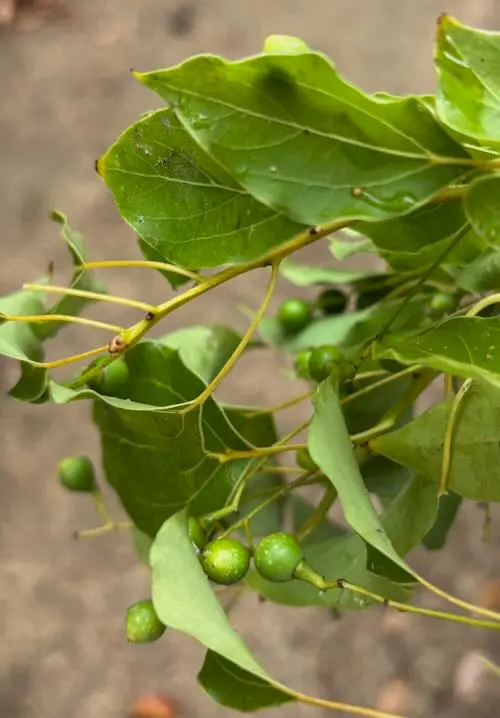
Leaf Arrangement and Form: Alternate and Simple
Leaf Shape: Oval
Leaf Color: Light Green
Fall Color: No
Flowers: Inconspicuous, Fragrant
Flower Time: Spring
Fruit Size and Color: Small Black Drupe
Fruiting Time: Winter or Summer
Bark Color: Dark Gray, Light Gray or Red Brown
Bark Texture: Blocky and Furrowed
Litter Type: Dry Fruit
Recommended Planting Area: Greater than 7′
Water Use Rating: Medium
Sunset Climate Zone: 8 – 9, 12 – 24, H1 and H2
Soil Texture: Loam, Sand or Clay
Soil pH: Slightly Acidic to Very Alkaline
Salt Tolerance: moderate
Schoolyard Trees: Yes
Shade Tolerance: No
Branch Strength: Strong
Root Damage Potential: High
Potential health issues: Allergy
Biogenic Emissions: Low
Wildlife Interactions: Attracts Birds
Disease and Pest Susceptibility: Anthracnose, Armillaria, Phytophthora and Root Rot
Utility Friendly: No