Cupaniopsis anacardioides
Carrot Wood
General Info
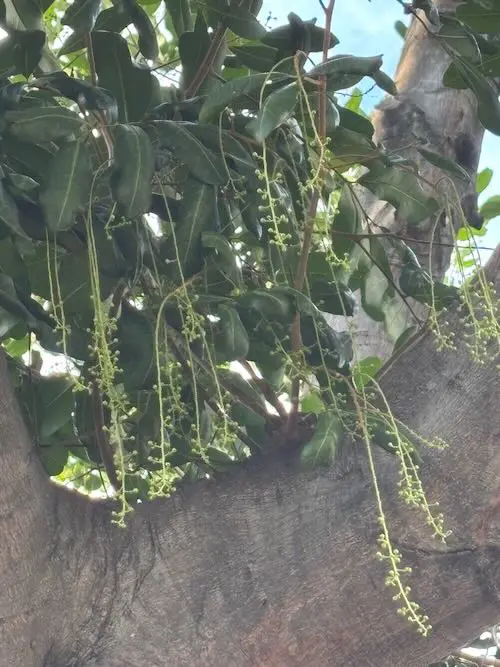
This tree is known for its dense, rounded canopy that provides ample shade. Its glossy, dark green leaves add a touch of elegance to urban landscapes. During the warmer months, it produces small, inconspicuous flowers that give way to bright orange, pumpkin-shaped fruits, adding a splash of color. The tree is well-suited to coastal areas, tolerating both salt and wind. Its moderate size makes it a versatile choice for streets, parks, and residential gardens. Additionally, it requires minimal maintenance and is drought-tolerant once established.
Native Range: Australia
Horticultural use: Screen
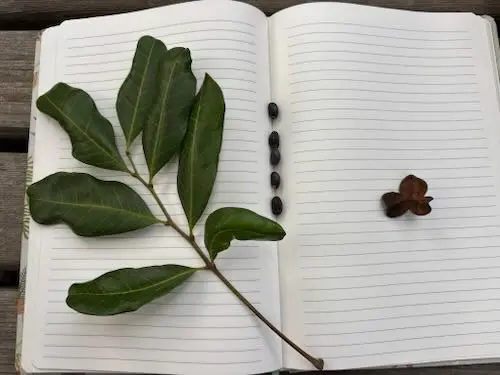
Schoolyard Use: This tree features glossy, dark green leaves that can be used to teach leaf structure and chlorophyll’s role in photosynthesis. The small, round fruits turn from green to orange as they mature, offering a hands-on way to discuss plant reproduction and fruit development. Its dense canopy provides ample shade, making it an inviting spot for outdoor classroom activities. The tree’s resilience to urban conditions can also serve as a case study in plant adaptation and survival in different environments.
Tree Shape: Rounded
Foliage Type: Deciduous
Maximum Tree Height: 40 feet
Canopy Width: 30feet
Growth Rate: ~12-24in/year
Leaf Arrangement and Form: Alternate and Pinnately Compound
Leaf Shape: Oblong
Leaf Color: Dark Green
Fall Color: No
Flower Color: White
Flower Time: Winter
Fruit Size and Color: Small Orange or Yellow Capsule
Fruiting Time: Summer
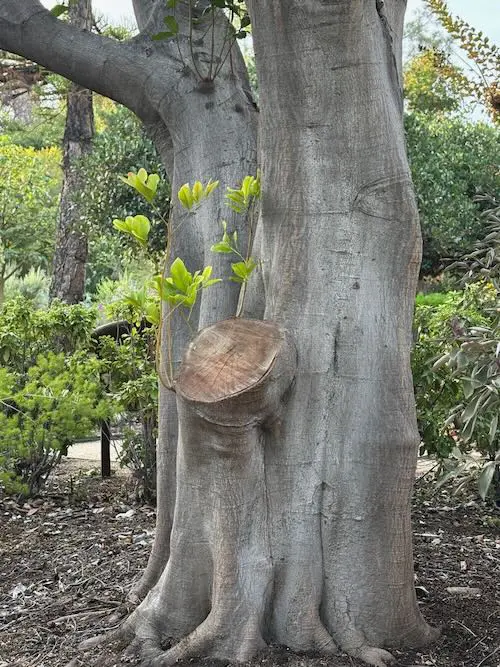
Bark Color: Light Gray
Bark Texture: Rough
Litter Type: Dry Fruit
Recommended Planting Area: 4′ to 7′
Water Use Rating: Medium
Sunset Climate Zone: 16 – 24, H1 and H2
Soil Texture: Loam, Sand or Clay
Soil pH: Slightly Acidic to Very Alkaline
Salt Tolerance: High
Schoolyard Trees: Yes
Shade Tolerance: No
Branch Strength: Medium Weak
Root Damage Potential: Moderate
Potential health issues: None Known
Biogenic Emissions: High
Wildlife Interactions: Attracts
Disease and Pest Susceptibility: Root Rot, Verticillium and Invasive Shot Hole Borer
Disease and Pest Resistance: Armillaria
Utility Friendly: No