Ficus microcarpa
Indian Laurel Fig
General Info
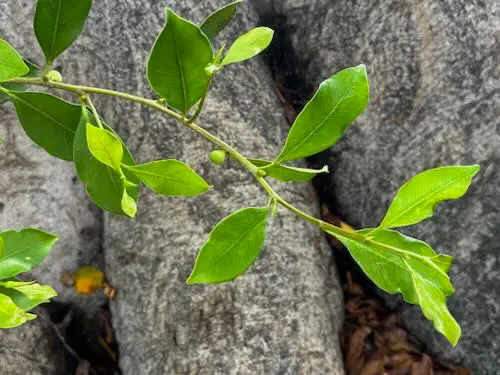
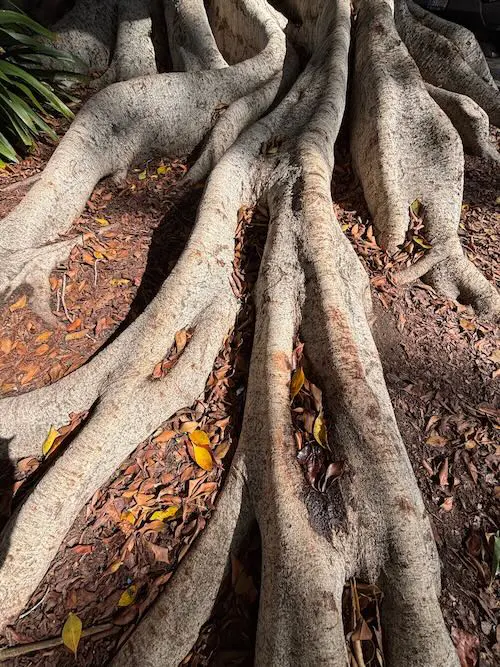
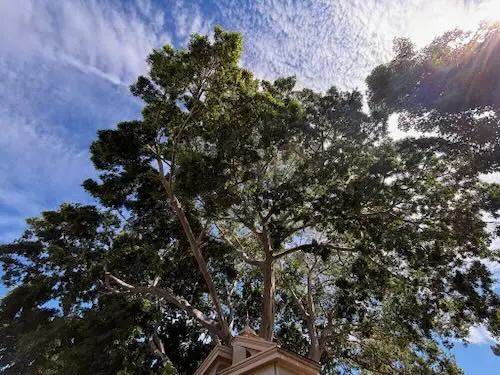
This tree is a popular choice for urban landscapes due to its dense, glossy green foliage that provides ample shade. Its aerial roots often create an intriguing, almost sculptural appearance, making it a striking feature in parks and along streets. It can grow quite large, offering a broad canopy that helps cool the surrounding area. This tree is also known for its resilience, thriving in a variety of soil types and requiring minimal maintenance once established. Its small, inconspicuous fruits attract birds, adding to the biodiversity of urban settings.
Native Range: Malaysia peninsula to Borneo
Horticultural use: Screen, Shade Tree, Specimen or Bonsai
Ethnobotanical Info / Tree Use: Throughout southeast Asia, spirits are thought to dwell in this tree, and it is often planted around temples. In Okinawa, the lye of F. macrocarpa wood ash is a crucial ingredient in the preparation of soba noodles. The roots, leaves, and stems of this Ficus have high antioxidant and antibacterial properties. The tree is used in traditional medicine throughout China, Japan, and Malaysia. (Ao et al., 2008)
Schoolyard Use: This tree has glossy, oval leaves that are ideal for teaching about leaf structure and plant respiration. Its dense canopy provides ample shade, making it a pleasant spot for outdoor classes. The small fruits attract birds and other wildlife, offering opportunities to discuss urban ecosystems and food chains. Its aerial roots can be used to explain plant support systems and propagation methods. This tree’s resilience to urban conditions makes it a practical example of adaptability in plants.
Tree Shape: Rounded
Foliage Type: Deciduous
Maximum Tree Height: 60 feet
Canopy Width: 35-40feet
Growth Rate: ~24in/year
Leaf Arrangement and Form: Alternate and Simple
Leaf Shape: Oval
Leaf Color: Green
Fall Color: No
Flowers: Inconspicuous
Flower Time: Winter
Fruit Size and Color: Small Mostly Green Multiple Fruit
Fruiting Time: Spring
Bark Color: Light Gray
Bark Texture: Smooth
Litter Type: Dry Fruit
Recommended Planting Area: 4′ to 7′
Water Use Rating: Medium
Sunset Climate Zone: 9, 13, 16 – 24, H1 and H2
Soil Texture: Loam or Sand
Soil pH: Slightly Acidic to Very Alkaline
Salt Tolerance: moderate
Schoolyard Trees: Yes
Shade Tolerance: No
Branch Strength: Medium Weak
Root Damage Potential: Moderate
Potential health issues: Irritant
Biogenic Emissions: High
Wildlife Interactions: Attracts
Disease and Pest Susceptibility: Thrip
Disease and Pest Resistance: Armillaria and Root Rot
Utility Friendly: No