Fraxinus species
Ash
General Info
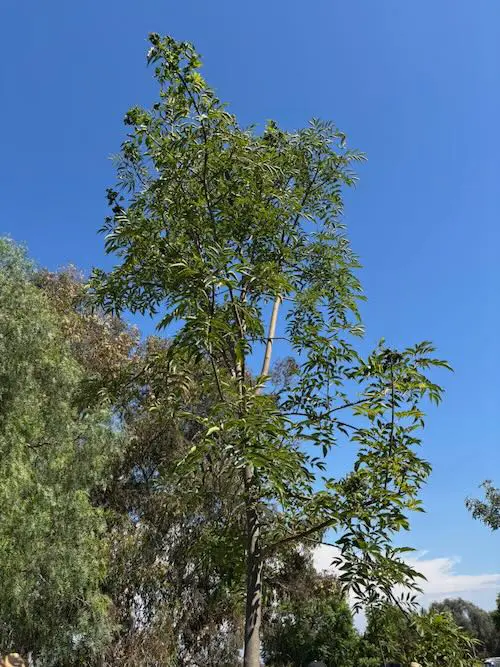
Tall, deciduous tree with opposite compound leaves. Known for its strong, durable wood; exhibits attractive yellow-orange to purplish fall foliage; widely used in landscaping and for making furniture. Ash whitefly infests many of ash trees. Check the planting location for a history of ash whitefly infestation before choosing.
Native Range: Eastern United States
Tree Shape: Rounded
Foliage Type: Deciduous
Maximum Tree Height: 80 feet
Canopy Width: 50feet
Growth Rate: ~36in/year
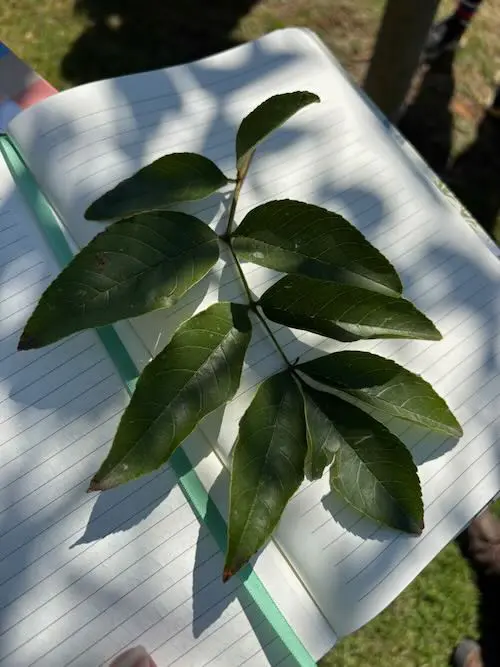
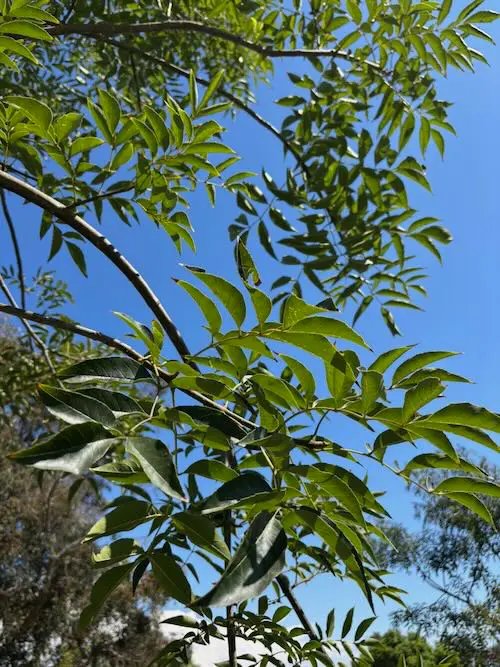
Leaf Arrangement and Form: Opposite and Pinnately Compound
Leaf Shape: Spear-shaped
Leaf Color: Dark Green
Fall Color: Yes
Flowers: Inconspicuous
Flower Time: Spring
Fruit Size and Color: Large Beige, Brown, Yellow or Mostly Green Samara
Fruiting Time: Fall, Winter or Summer
Bark Color: Dark Gray or Light Gray
Bark Texture: Furrowed, Ridged and Scaly
Litter Type: Dry Fruit
Recommended Planting Area: Greater than 7′
Water Use Rating: Medium
Sunset Climate Zone: 1 – 11 and 14 – 17
Soil Texture: Loam, Sand or Clay
Soil pH: Very Acidic to Very Alkaline
Salt Tolerance: Moderate
Schoolyard Trees: No
Shade Tolerance: No
Branch Strength: Medium Strong
Root Damage Potential: Moderate
Potential health issues: Allergy
Wildlife Interactions: Attracts Birds
Disease and Pest Susceptibility: Anthracnose, Root Rot, Sooty Mold, Armillaria, Caterpillars, Scales and White Fly
Utility Friendly: No