Pinus eldarica
Afghan Pine
General Info
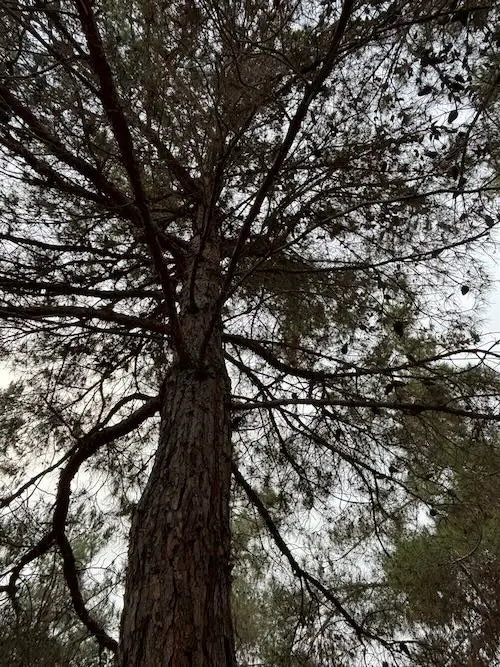
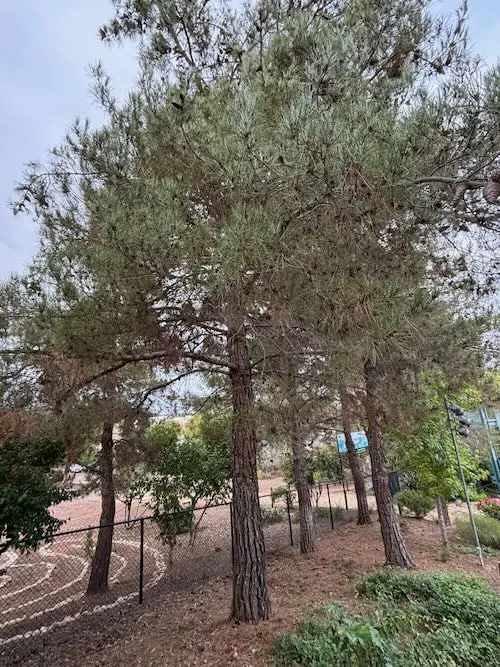
Pinus eldarica has a tall, slender profile with dense, dark green needles that create a lush, full canopy. It thrives in sunny locations and is highly drought-tolerant, making it a great choice for arid urban landscapes. The bark is thick and rough, providing a textured contrast to the soft needles. It grows relatively quickly and can reach impressive heights, offering ample shade. Its resilience to poor soil conditions and minimal maintenance needs make it an ideal option for parks and streets. The tree also exudes a pleasant pine scent, adding to its appeal in residential areas.
Native Range: Armenia, Azerbaijan, Georgia, Northern Iran and Northern Iraq
Ethnobotanical Info / Tree Use: The wood of Mondell Pine is used for construction. The resin, needles and bark are also applied in traditional medicines.
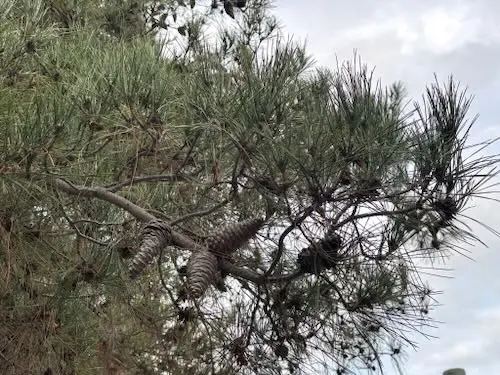
Schoolyard Use: This tall tree has long, slender needles that are well-suited for lessons on needle morphology and adaptation to dry climates. Its evergreen nature makes it useful for discussions about photosynthesis throughout the year. The tree produces large cones that can be used in classroom activities on seed dispersal and plant reproduction. Its sturdy trunk and branches offer a practical example of structural adaptations in trees.
Tree Shape: Conical
Foliage Type: Evergreen
Maximum Tree Height: 80 feet
Canopy Width: 15-25feet
Growth Rate: ~36in/year
Leaf Arrangement and Form: Alternate and Simple
Leaf Shape: Needle
Leaf Color: Dark Green
Fall Color: No
Cone Size and Color: Large Brown, Yellow or Mostly Green Cone
Pollen time: Winter
Fruit Value: Wildlife use it
Bark Color: Dark Gray or Light Gray
Bark Texture: Fissured
Litter Type: Dry Fruit and Leaves
Recommended Planting Area: 4′ to 7′
Water Use Rating: Low
Sunset Climate Zone: 6 – 9 and 11 – 24
Soil Texture: Loam, Sand or Clay
Soil pH: Very Acidic to Very Alkaline
Schoolyard Trees: Yes
Shade Tolerance: No
Branch Strength: Medium Strong
Root Damage Potential: Moderate
Biogenic Emissions: Low
Wildlife Interactions: Attracts Birds and Squirrels
Disease and Pest Susceptibility: Armillaria, Aphids and Pine Tip Moth
Disease and Pest Resistance: Verticillium
Utility Friendly: No