Quercus suber
Cork Oak
General Info
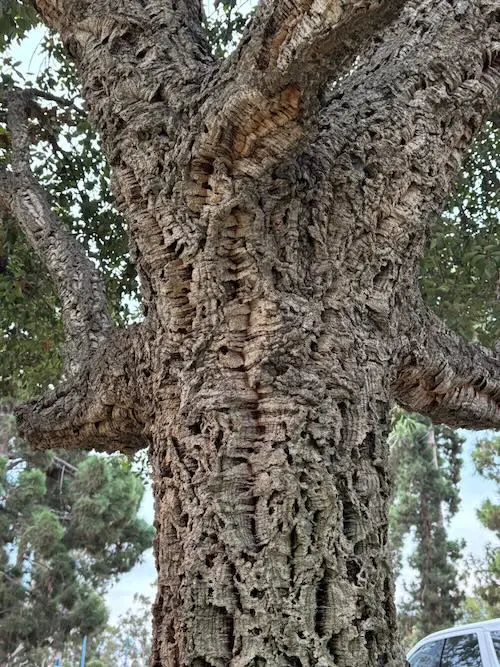
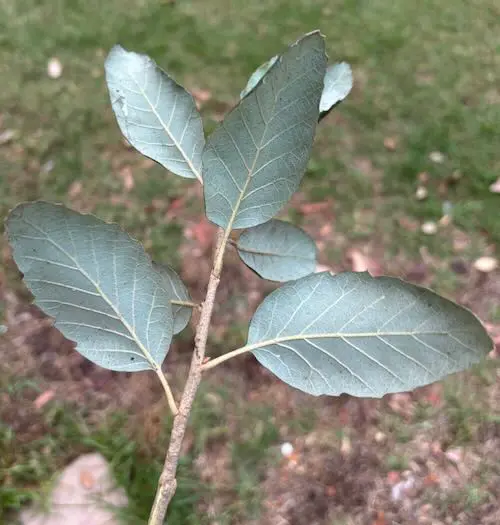
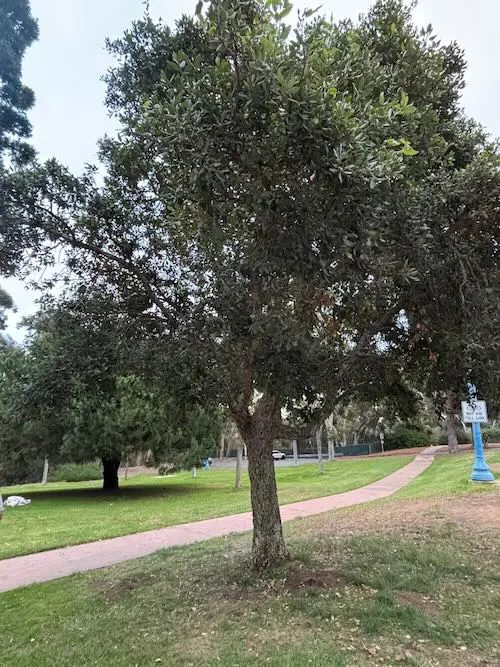
Quercus suber has a rugged, thick bark that is deeply fissured and cork-like, making it quite unique in appearance. It can grow to a moderate height with a broad, rounded canopy that provides ample shade. The leaves are dark green and leathery with a glossy surface, often staying on the tree year-round. In spring, it produces small, inconspicuous flowers that later develop into acorns. This tree is highly adaptable to various soil types and can tolerate drought conditions, making it a resilient choice for urban landscaping. Its distinctive bark is often harvested sustainably for commercial use without harming the tree.
Native Range: Western Mediterranean and North Africa
Ethnobotanical Info / Tree Use: The bark of Cork Oak is the primary source of commercial cork. Cork is heat and sound insulating as well as water repellant. The first harvest usually occurs once the tree is around 25 years old with a DBH of 28in and is subsequently harvested every nine to twelve. The first two harvests are lower quality with cracking and low elasticity. The third harvest and onward is the cork that is used commercially.
The acorns are used as pig feed in a practice called acorn fattening.
Schoolyard Use: This tree is great for learning about human uses for trees, fire ecology, and mycorrhizal symbiosis. Q. suber is best known for its valuable bark which is harvested to make cork. Cork is the outer layer of tree bark that is made up of thinly walled, irregularly shaped, waxy cells. Many trees that have peeling or exfoliating bark have cork but the cork of Q. suber is distinctly spongy and flexible making it commercially very valuable. Additionally, the spongy cork naturally insulates the tree from fire making it resilient in its native fire-prone landscapes. This could provide an interesting introduction to how plants adapt to regular wildfires. Cork Oaks also form mycorrhizal symbioses with four species for Amanita among other fungi. The vegetative bodies of these fungi, the mycelium, are in close contact with the roots of the oak. The fungi provide water and nutrients for the oak in exchange for products of photosynthesis.
Tree Shape: Rounded
Foliage Type: Evergreen
Maximum Tree Height: 70 feet
Canopy Width: 70feet
Growth Rate: ~24-36in/year
Leaf Arrangement and Form: Alternate and Simple
Leaf Shape: Oblong
Leaf Color: Dark Green
Fall Color: No
Flowers: Inconspicuous
Flower Color: Yellow-Green or Brown
Flower Time: Spring
Fruit Size and Color: Medium Brown Acorn
Fruiting Time: Fall or Winter
Fruit Value: Wildlife use it
Bark Color: Light Green or Light Gray
Bark Texture: Fissured
Litter Type: Dry Fruit
Recommended Planting Area: 4′ to 7′
Water Use Rating: Low
Sunset Climate Zone: 5 – 16 and 18 – 24
Soil Texture: Loam, Sand or Clay
Soil pH: Very Acidic to Slightly Alkaline
Salt Tolerance: Moderate
Schoolyard Trees: Yes
Shade Tolerance: No
Branch Strength: Strong
Root Damage Potential: Moderate
Potential health issues: Allergy and Poisonous
Biogenic Emissions: High
Wildlife Interactions: Attracts Birds and Squirrels
Disease and Pest Susceptibility: Armillaria, Phytophthora, Root Rot and Invasive Shot Hole Borer
Disease and Pest Resistance: Verticillium
Utility Friendly: No