Tecoma stans
Yellow Bells
General Info
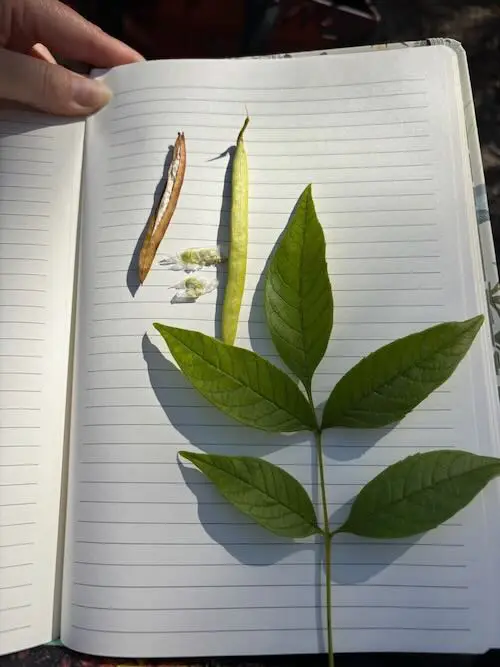
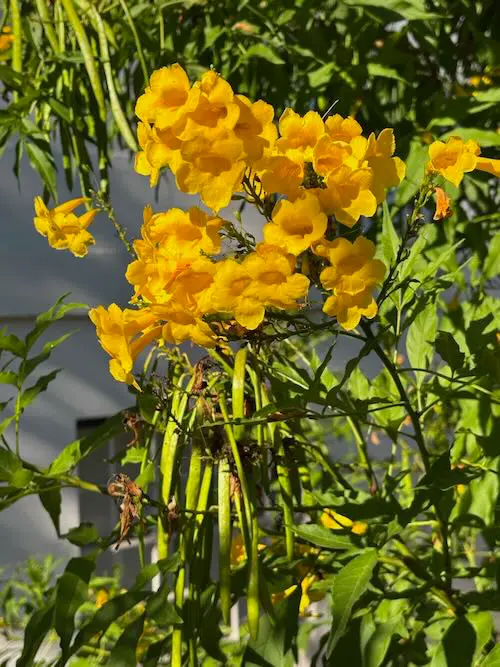
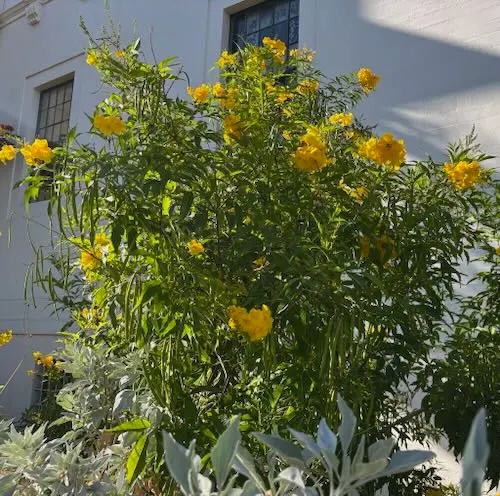
Tecoma stans is a slender-stemmed shrub to small tree with a massive native range. Its glossy, toothed leaves are bipinnately compound, forming a dense canopy that casts dappled shade. While deciduous, this species doesn’t display fall colors. It lives up to its common name with dense, vibrant yellow, bell-shaped blooms, persisting year-round in some regions. This plant is popular in landscapes for its excellent drought and heat tolerance. It is sensitive to frost and shade.
Native Range: North America, Central America, South America, and the Caribbean
Horticultural use: Screen
Ethnobotanical Info / Tree Use: The roots of Yellow Bells are traditionally brewed into a beer in some regions. Its wood is made into cabinets, tools, buildings, and bows. This plant has various applications across traditional medicines, treating diabetes, stomach pains, syphilis, intestinal worms, yellow fever, hepatitis, inflammation, rheumatism, abscesses, and colic.
Tree Shape: Rounded
Foliage Type: Deciduous
Maximum Tree Height: 25 feet
Canopy Width: 15-20feet
Growth Rate: ~36in/year
Leaf Arrangement and Form: Opposite and Pinnately Compound
Leaf Shape: Spear-shaped
Leaf Color: Green
Fall Color: No
Flowers: Showy, Fragrant
Flower Color: Yellow
Flower Type: Has separate male and female reproductive parts on the same tree (monoecious)
Flower Time: Fall, Winter or Summer
Fruit Size and Color: Very Large Brown Capsule
Fruiting Time: Fall or Spring
Fruit Value: Wildlife use it
Bark Color: Dark Brown, Dark Gray, Light Gray, Green
Bark Texture: Striated and Fissured
Litter Type: Dry Fruit
Recommended Planting Area: 4′ to 7′
Water Use Rating: Medium
Sunset Climate Zone: 12 – 13, 21 – 24, H1 and H2
Soil Texture: Loam
Soil pH: Neutral to Slightly Alkaline
Schoolyard Trees: No
Shade Tolerance: No
Branch Strength: Medium Weak
Root Damage Potential: Low
Potential health issues: None Known
Wildlife Interactions: Attracts Bees, Birds, Hummingbirds, Butterflies and Mammals
Utility Friendly: Yes