Ulmus parvifolia
Chinese Elm
General Info
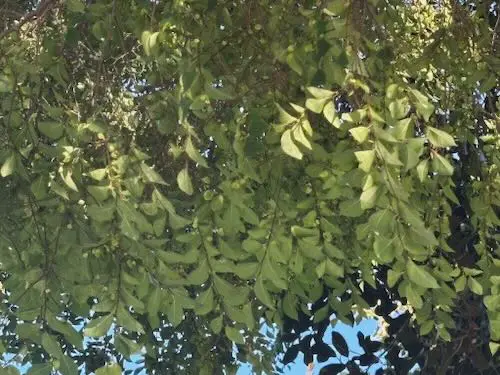
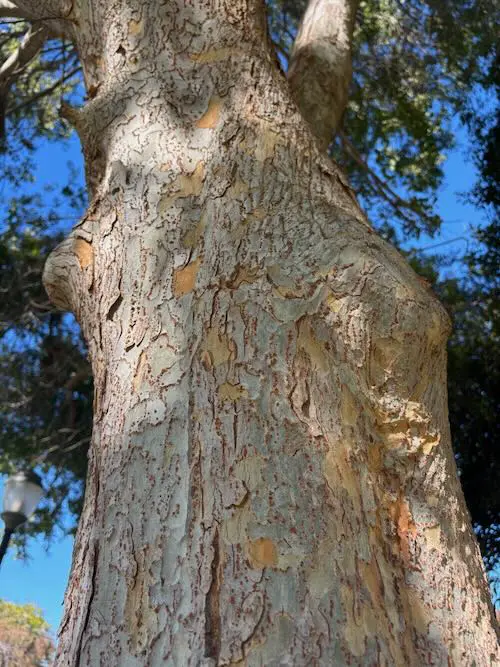
Ulmus parvifolia features a graceful, arching canopy with small, leathery leaves that turn a striking golden yellow in the fall. Its bark is a standout, showcasing a patchwork of gray, orange, and brown that peels away in delicate flakes. The tree is highly adaptable and tolerant of urban conditions, making it a popular choice for city landscapes. It grows at a moderate rate and provides ample shade, creating a welcoming environment beneath its branches. Its resilience against pests and diseases adds to its appeal, ensuring long-lasting beauty and functionality in urban settings.
Native Range: China, Japan, North Korea, and Vietnam
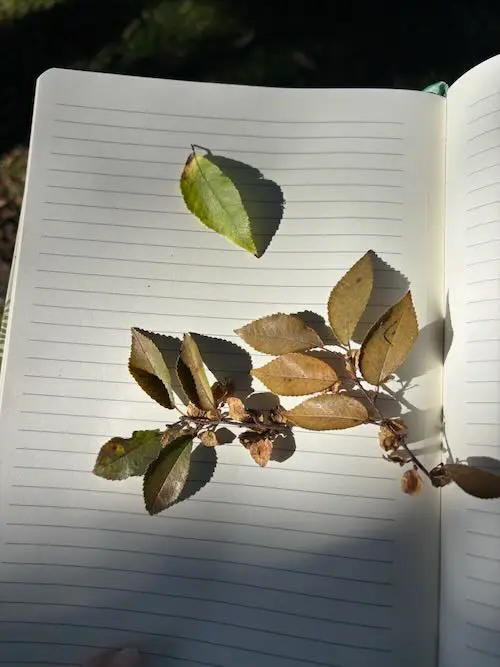
Schoolyard Use: Chinese Elm has small, serrated leaves that turn a vibrant yellow in the fall, making it ideal for lessons on seasonal changes and leaf identification. Its bark is mottled and exfoliates in patches, providing a tactile experience for students studying tree anatomy. The tree’s resilience to various conditions can be used to discuss plant adaptation and urban forestry. Small, inconspicuous flowers appear in late summer, offering a subtle introduction to plant reproduction.
Tree Shape: Rounded
Foliage Type: Deciduous
Maximum Tree Height: 60 feet
Canopy Width: 50-70feet
Growth Rate: ~36in/year
Leaf Arrangement and Form: Alternate and Simple
Leaf Shape: Oval
Leaf Color: Dark Green
Fall Color: Yes
Flowers: Inconspicuous
Flower Time: Fall or Summer
Fruit Size and Color: Small Brown or Mostly Green Samara
Fruiting Time: Fall
Bark Color: Dark Gray, Light Gray, Orange, Red Brown or Multicolored
Bark Texture: Exfoliating, Mottled and Smooth
Litter Type: Dry Fruit
Recommended Planting Area: Greater than 7′
Water Use Rating: Medium
Sunset Climate Zone: 3 – 24
Soil Texture: Loam, Sand or Clay
Soil pH: Very Acidic to Very Alkaline
Salt Tolerance: Moderate
Schoolyard Trees: Yes
Shade Tolerance: No
Branch Strength: Medium Weak to Medium
Root Damage Potential: Moderate
Potential health issues: Allergy
Biogenic Emissions: Low
Wildlife Interactions: Attracts
Disease and Pest Susceptibility: Dutch Elm Disease, Armillaria, Phytophthora, Root Rot, Aphids, Beetle Borers, Beetle Leaves, Caterpillars and Japanese beetle (Popillia japonica)
Utility Friendly: No